Bed bugs have made an unwelcome resurgence in homes, hotels, and apartments across the United States and worldwide. These resilient parasites, which have coexisted with humans for thousands of years, present unique challenges for identification and control. Understanding how to recognize bed bug infestations early and implement effective prevention strategies is crucial for protecting your home and family from these persistent pests.
Recent groundbreaking research from Virginia Tech has revealed that bed bugs may be humanity's first pest, with the human-associated lineage following demographic patterns similar to humans throughout history. The bed bug species infesting homes today are descendants of cave-dwelling bugs that originally fed on bat blood, but began feeding on humans when we started living in caves 100,000 to 35,000 years ago.
This ancient relationship has allowed bed bugs to evolve sophisticated survival mechanisms, making modern infestations particularly challenging to address. Understanding their biology and behavior is the first step toward effective identification and control.
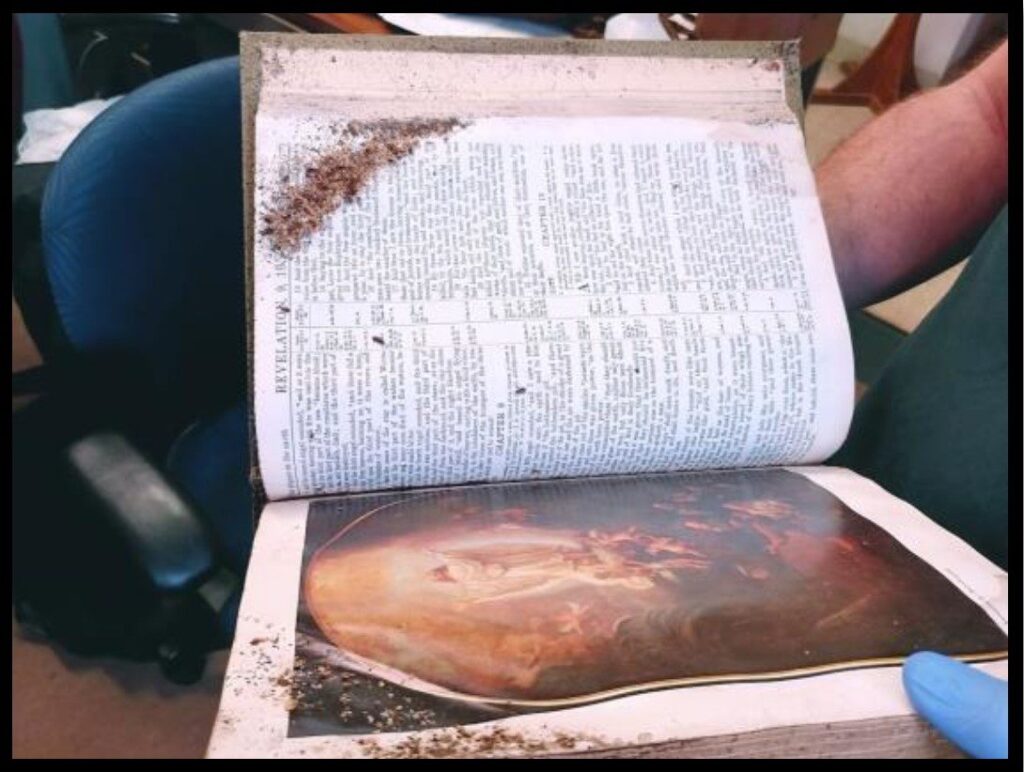
Early identification of bed bug infestations is critical for successful elimination. The signs of bed bugs can be subtle initially, but knowing what to look for can help you catch an infestation before it becomes severe.
When cleaning, changing bedding, or staying away from home, look for rusty or reddish stains on bed sheets or mattresses caused by bed bugs being crushed, and dark spots (about the size of a period [.]), which are bed bug excrement and may bleed on the fabric like a marker would.
Additional physical signs include:
One of the easiest ways to identify a bed bug infestation is by bite marks on the face, neck, arms, hands, or any other body parts after sleeping. However, these bite marks may take as long as 14 days to develop in some people. This delayed reaction can make identification challenging, as people may not connect the bites to bed bugs immediately.
Distinguishing bed bug bites from other insect bites is essential for proper identification and treatment. While the inflammatory reaction to the bites is not diagnostic specifically for bed bugs, and confirmation of a bed bug bite or infestation is best achieved by identification of adults or nymphs collected in sheltered areas near where the patient was bitten, there are several characteristic patterns to observe.
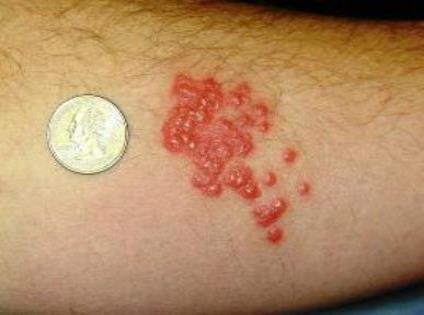
Bed bug bites typically appear as:
Mosquito Bites: Usually isolated, appear immediately, and are more randomly distributed across the body. They typically resolve within a few days.
Flea Bites: Commonly found around ankles and lower legs, appear as small red dots with a red halo, and develop quickly after being bitten.
Spider Bites: Usually single bites with more severe local reactions, potentially developing into larger lesions with central necrosis in some species.
Ant Bites: Often result in immediate pain and burning sensation, with pustules forming within 24 hours.
The key difference is that bed bug bites often occur in patterns on exposed skin during sleep and may take days to develop, while most other insect bites appear immediately and are more randomly distributed.
Understanding where bed bugs hide is crucial for effective detection and elimination. These insects are experts at concealment, preferring dark, protected areas close to their human hosts.
Bedroom Areas:
Secondary Hiding Spots:
Bed bugs prefer locations that offer:
The accessibility of hiding spots often determines how quickly an infestation can be detected and eliminated. Cluttered environments provide more hiding opportunities, making control efforts more challenging.
Adults are about the size of an apple seed, brown and oval-shaped, and either flat or balloon-like depending on how recently fed. Nymphs are a bit smaller and translucent or whitish yellow. Understanding the bed bug life cycle is essential for effective control strategies.
Egg Stage: Bed bugs begin as tiny, pearl-white eggs about the size of a pinhead. Females lay 1-5 eggs daily in protected locations, with each egg hatching in 6-10 days under optimal conditions.
Nymphal Stages: Newly hatched nymphs go through five molting stages before reaching adulthood. Each stage requires a blood meal to progress to the next level. Nymphs are smaller and lighter in color than adults, making them more difficult to detect.
Adult Stage: Adult bed bugs are reddish-brown, oval-shaped, and approximately 4-5 millimeters long. They can survive several months without feeding and can live up to a year under favorable conditions.
Temperature and humidity significantly impact development rates:
Controlling bed bugs is complex. Using an integrated pest management (IPM) approach incorporates both non-chemical and pesticide methods. Success depends on the extent of the infestation, clutter on site, and resident participation.
Heat Treatment: Professional heat treatments raising room temperatures to 113-120°F for several hours can eliminate all life stages of bed bugs. This method is highly effective but requires specialized equipment and expertise.
Steam Treatment: Steam applications to infested areas can kill bed bugs and eggs on contact. Focus on mattress seams, furniture joints, and carpet edges.
Vacuuming: Regular, thorough vacuuming of mattresses, furniture, and surrounding areas can physically remove bugs and eggs. Dispose of vacuum contents in sealed bags immediately.
Encasements: High-quality mattress and box spring encasements can trap existing bed bugs and prevent new infestations from establishing in these areas.
Professional-grade insecticides may be necessary for severe infestations. The Environmental Protection Agency provides comprehensive guidance on approved pesticides for bed bug control, emphasizing the importance of following label instructions and safety precautions.
However, recent Virginia Tech research has discovered gene mutations that could contribute to bed bug insecticide resistance, making chemical control increasingly challenging and highlighting the importance of integrated approaches.
While minor infestations may be addressed through DIY methods, professional treatment is often necessary for:
Prevention remains the most effective long-term strategy for avoiding bed bug infestations. Implementing comprehensive prevention measures can protect your home from these persistent pests.
Hotel Inspections: Always inspect hotel rooms before settling in. Check mattress seams, headboards, and upholstered furniture for signs of bed bugs. Store luggage in bathrooms or hard-surface areas away from bedding and furniture.
Luggage Management: Use hard-shell luggage when possible and inspect all items before bringing them home. Wash and dry all clothing on high heat settings immediately after travel.

Regular Inspections: Conduct monthly inspections of sleeping areas, focusing on mattress seams, bed frames, and nearby furniture. Early detection significantly improves control success rates.
Clutter Reduction: Minimize bedroom clutter to reduce hiding spots and make inspections more effective. Store items in sealed containers when possible.
Protective Barriers: Use mattress and box spring encasements to prevent bed bugs from establishing harborage sites in these areas.
Thoroughly inspect all used furniture, especially items with fabric or numerous hiding spots. Consider heat treatment or professional inspection for valuable antique pieces.
Several authoritative organizations provide valuable resources for bed bug identification and control:
Centers for Disease Control and Prevention (CDC): Offers comprehensive information about bed bug identification, health implications, and control strategies, including resources for healthcare providers and public health officials.
Environmental Protection Agency (EPA): Provides detailed guidance on bed bug control methods, approved pesticides, and integrated pest management approaches for both professionals and consumers.
Virginia Tech Department of Entomology: Conducts cutting-edge research on bed bug biology and behavior, offering scientific insights into pest management strategies and resistance mechanisms.
University Extension Programs: Many state universities offer extension programs providing localized guidance on pest management, including bed bug control strategies tailored to regional conditions.
National Pest Management Association (Pestworld.org): Provides consumer education resources and professional pest management guidance for effective bed bug control.
Wikipedia's Bed Bug Entry: Offers comprehensive scientific information about bed bug taxonomy, biology, and global distribution patterns.
Bed bug identification and awareness require a combination of knowledge, vigilance, and professional support when necessary. These ancient human companions have evolved sophisticated survival strategies, making early detection and comprehensive management approaches essential for successful control.
The signs of bed bugs may be subtle initially, but understanding the differences between bed bug bites and other insect bites, knowing where bed bugs hide, and comprehending their life cycle provides the foundation for effective management. Modern bed bug control requires integrated approaches combining prevention, early detection, and targeted treatment methods.
As research continues to reveal new insights into bed bug biology and resistance mechanisms, staying informed through authoritative sources like the CDC, EPA, and university extension programs becomes increasingly important. Whether dealing with a suspected infestation or implementing preventive measures, professional guidance can provide valuable support for protecting your home and family from these persistent pests.
Remember that successful bed bug management is not just about elimination, it's about creating an environment that prevents future infestations while maintaining the health and comfort of your living spaces. Through education, vigilance, and appropriate professional support when needed, bed bug problems can be effectively managed and prevented.