Nothing ruins a vacation or business trip quite like discovering bed bugs in your hotel room. These tiny, blood-sucking insects have made a significant comeback in recent decades, and hotels are among the most common places where travelers encounter them. Whether you're staying at a luxury resort or a budget motel, bed bugs don't discriminate based on cleanliness or price point. Knowing how to identify, respond to, and prevent bed bug encounters is crucial for every traveler.
Bed bugs (Cimex lectularius) are small, oval-shaped insects that feed exclusively on human blood, typically while their hosts sleep. Bed bugs, Cimex lectularius, and C. hemipterus are among the most common ectoparasites in human life worldwide. These nocturnal pests are about the size of an apple seed when fully grown, with flat, reddish-brown bodies that become swollen and darker after feeding.
Understanding their behavior is key to detection and prevention. Bed bugs are excellent hitchhikers, easily traveling from room to room in luggage, clothing, and personal belongings. They can survive for months without feeding and are remarkably resilient, making them particularly challenging to eliminate once established in an environment.
The resurgence of bed bugs since the late 1990s has been attributed to several factors, including increased international travel, the banning of effective pesticides like DDT, and the development of pesticide resistance. Hotels face particular challenges because of the constant turnover of guests and the numerous hiding places these establishments provide.

Early detection by looking for signs of bed bugs is crucial when dealing with bed bugs in hotel rooms. Before settling into your accommodation, conduct a thorough inspection using these key indicators:
Visual Evidence: Look for live bugs, which are most active during nighttime hours but can sometimes be spotted during thorough daytime inspections. Adult bed bugs are visible to the naked eye and move slowly when disturbed.
Bloodstains: Check sheets, pillowcases, and mattresses for small, rust-colored or reddish-brown stains. These occur when bed bugs are accidentally crushed after feeding.
Dark Spots and Stains: Bed bug excrement appears as small, dark spots about the size of a period. These stains may bleed on fabric like a marker would and are commonly found along mattress seams, behind headboards, and in carpet edges.
Sweet Musty Odor: Large infestations often produce a distinctive sweet, musty smell caused by the bugs' scent glands. This odor becomes more noticeable in heavily infested rooms.
Exoskeletons and Eggshells: Look for tiny, translucent shells that bed bugs shed as they grow, as well as small, whitish eggshells about 1mm in size.
Bite Patterns: While not always reliable for identification, bed bug bites often appear in clusters or lines of three to four bites, earning them the nickname "breakfast, lunch, and dinner" bites.
Focus your inspection on areas where bed bugs commonly hide: mattress seams and tags, box springs, headboards, furniture joints, carpet edges, curtains, and electrical outlets near sleeping areas.
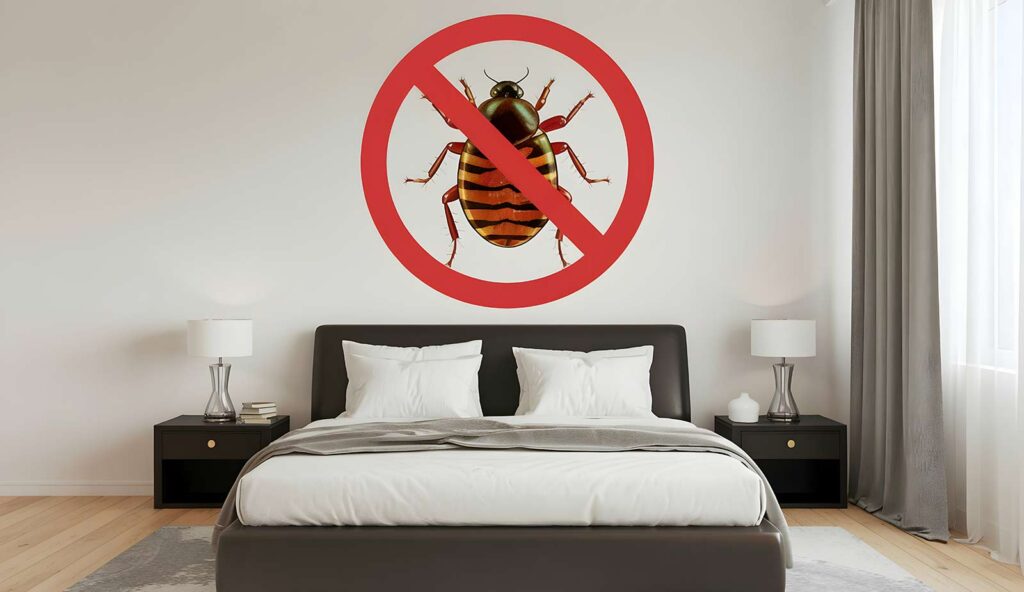
If you discover evidence of bed bugs in your hotel room, take immediate action to protect yourself and prevent further exposure:
Stop and Don't Panic: Remain calm and avoid the urge to immediately start unpacking or moving items around, which could spread the bugs or contaminate your belongings.
Isolate Your Luggage: Place all luggage and personal items in the bathroom, preferably in the bathtub or shower. Inspect the luggage rack in your hotel room for bed bugs before using it, as these are common harboring areas.
Conduct a Secondary Inspection: Examine the room more thoroughly, checking all the areas mentioned above. Use your phone's flashlight to illuminate dark crevices and seams.
Avoid the Bed: Do not sit on the bed, place items on it, or use the bedding until you've completed your inspection and determined the room is safe.
Don't Switch to Adjacent Rooms: Bed bugs can easily spread between adjoining rooms. If you need to change rooms, request one that's not adjacent to the infested room, preferably several rooms away or on a different floor.

Proper documentation is essential for several reasons: proving the infestation to hotel management, supporting any compensation claims, and potentially helping health authorities track bed bug incidents.
Photograph Everything: Take clear, high-resolution photos of all evidence you find. Include close-up shots of bugs, stains, bite marks, and the overall room conditions. Ensure your photos are time-stamped and show the room number if possible.
Video Documentation: Record a brief video walkthrough of your inspection, narrating what you're finding. This provides context and shows the extent of the infestation.
Written Records: Keep detailed notes about when and where you discovered the evidence, including the date, time, room number, and specific locations of findings.
Preserve Physical Evidence: If you find dead bugs or shed skins, carefully collect them in a small container or plastic bag. This physical evidence can be crucial for pest control professionals and may be needed for legal purposes.
Medical Documentation: If you receive bites, photograph them and consider seeking medical attention to create an official record, especially if you experience severe reactions.
Contact hotel management immediately upon discovering bed bugs. Your approach to reporting can significantly impact the resolution process:
Immediate Notification: Call the front desk or manager immediately, even if it's late at night. Bed bug infestations are serious issues that require immediate attention.
Professional Communication: Present your findings calmly and professionally. Share your evidence and explain what you've discovered without being confrontational.
Document the Report: Keep records of when you reported the issue, who you spoke with, and their response. Ask for the manager's name and direct contact information.
Request Immediate Action: Ask for immediate relocation to a different room (not adjacent) and inquire about the hotel's bed bug protocol. actively scout guest rooms for bed bugs on a regular basis should be part of their standard procedures.
Follow Up in Writing: Send an email documenting your verbal report, including photos and details of the incident. This creates an official paper trail.
Many reputable hotels have established protocols for dealing with bed bug reports and should take your concerns seriously. The Virginia Department of Agriculture provides guidelines for hotels, emphasizing the importance of immediate response and professional pest management.
While bed bugs are not known to transmit diseases, they can cause various health issues that travelers should understand:
Skin Reactions: Bed bug bites can cause allergic reactions ranging from small, red bumps to large, itchy welts. bed bug bites can cause some adverse health effects, including allergic skin reactions, secondary infections, and scarring due to the intense scratching their bites provoke
Secondary Infections: Excessive scratching of bite sites can lead to secondary bacterial infections, which may require medical treatment.
Histamine Exposure: Recent research has revealed concerning findings about histamine production. excess histamine, especially in patients with a histamine intolerance, and health effects such as headaches, gastrointestinal issues, irregular heart rate and asthma Studies show that Homes infested with bedbugs also have elevated levels of indoor histamines
Psychological Effects: The stress and anxiety associated with bed bug encounters can have lasting psychological impacts, including sleep disturbances and paranoia about future infestations.
Iron Deficiency: In severe infestation cases, particularly affecting children or elderly individuals, repeated blood loss from numerous bites could potentially contribute to iron deficiency anemia.
Most people don't immediately react to bed bug bites, with symptoms often appearing days after the initial bite. This delayed reaction can make it difficult to trace the source of exposure, which is why documentation is so important.
Prevention remains the most effective strategy for avoiding bed bug encounters during travel:
Research Accommodations: Before booking, research the hotel's bed bug history using online resources, review sites, and bed bug registries. However, remember that even previously clean hotels can develop problems.
Inspect Upon Arrival: Always conduct a thorough inspection before bringing luggage into the room. inspection and prevention in hotel rooms is emphasized by the EPA as a critical preventative measure.
Use Hard-Sided Luggage: Hard-shell suitcases are more difficult for bed bugs to penetrate and easier to inspect and clean.
Store Luggage Properly: Keep luggage in the bathroom or other hard-surfaced areas away from beds and upholstered furniture. Avoid using hotel luggage racks until you've inspected them thoroughly.
Choose Higher Floors: Some experts suggest staying on higher floors, as bed bugs are less common in upper-level rooms, though this isn't a guarantee.
Pack Smart: Use sealed plastic bags for clothing and consider packing a small flashlight for inspections.
Heat Treatment: Upon returning home, wash all clothing in hot water (at least 120°F) and dry on high heat for at least 40 minutes, as heat treatment is one of the most effective methods for killing bed bugs and their eggs.
If you've stayed in a bed bug-infested room, your belongings may have been contaminated and require careful handling:
Immediate Isolation: Upon returning home, don't bring luggage directly inside. Leave it in the garage, on a porch, or in a bathtub until you can properly inspect and treat everything.
Heat Treatment: heat treatment or freezing are recommended non-chemical control methods. Wash all clothing and fabric items in hot water (minimum 120°F) and dry on high heat for at least 40 minutes.
Freezing Method: Items that can't be washed can be placed in the freezer for at least four days at 0°F to kill bed bugs and eggs.
Inspect Hard Items: Carefully examine luggage, electronics, books, and other hard items. Use a magnifying glass if necessary to check seams, zippers, and crevices.
Professional Cleaning: Consider professional cleaning or heat treatment for valuable items that can't be washed or frozen.
Vacuum Everything: Vacuum your suitcases thoroughly, paying attention to seams and corners. Dispose of vacuum bags immediately in sealed plastic bags.
Monitor for Signs: Watch for signs of infestation in your home for several weeks after your return, as it can take time for populations to become noticeable.
While hotels should handle their own pest control, travelers may need professional help in certain situations:
Home Infestation: If you discover bed bugs in your home after traveling, contact licensed pest management professionals immediately. Using an integrated pest management (IPM) approach incorporates both non-chemical and pesticide methods
Severe Reactions: Seek medical attention if you experience severe allergic reactions, signs of infection, or persistent health issues related to bed bug exposure.
Legal Consultation: Consider consulting with an attorney if you've suffered significant damages, medical expenses, or if the hotel fails to respond appropriately to your complaint.
Documentation Services: Some travelers hire pest control professionals to document infestations for legal purposes, particularly in cases involving expensive belongings or extended stays.
When selecting pest control services, choose licensed professionals experienced in bed bug treatment who use integrated pest management approaches. The EPA provides resources for finding qualified pest management professionals and understanding treatment options. We provide a complete Bed Bug Control solution.
Discovering bed bugs in your hotel room is undoubtedly stressful, but following these essential steps can minimize your exposure and ensure appropriate resolution. Remember that bed bugs are a manageable problem when addressed promptly and professionally. The key is remaining vigilant, documenting thoroughly, and taking immediate protective action.
The hospitality industry continues to develop better protocols for bed bug prevention and management, but travelers must remain proactive in protecting themselves. By understanding what to look for, how to respond, and when to seek help, you can significantly reduce the impact of any bed bug encounter on your travel experience.
Modern integrated pest management approaches, supported by research from universities and government agencies, provide effective bed bug solutions for both prevention and control. The combination of traveler awareness, proper hotel management protocols, and professional pest control services creates a comprehensive defense against these persistent pests.
Remember that while bed bugs are a nuisance, they're not a reflection of personal hygiene or hotel quality alone. Focus on evidence-based responses rather than panic, and don't hesitate to advocate for your rights as a consumer when dealing with infested accommodations.
Federal and State Agencies:
University Research:
Professional Organizations:
Medical Resources:
Additional Tools: