Bed bugs are among the most persistent and challenging pests homeowners can face. These tiny bloodsucking insects have made a significant comeback in recent decades, infesting homes, hotels, and other living spaces across the globe. Early detection is crucial for effective treatment and prevention of widespread infestation. This comprehensive guide will help you identify the telltale signs of bed bugs and conduct thorough bed bug inspections to protect your home and family.
Before diving into detection methods, it's essential to understand what you're looking for. Adults are about the size of an apple seed, brown and oval-shaped, and either flat or balloon-like depending on how recently fed. Nymphs are a bit smaller and translucent or whitish yellow. The common bed bug (Cimex lectularius) is a pest – feeding on blood, causing itchy bites and generally irritating their human hosts.
The bed bug species that is infesting homes today are the descendants of cave dwelling bugs that originally fed on bat blood. This evolutionary history explains their incredible ability to hide in dark crevices and their preference for feeding at night when their hosts are asleep and stationary.
Bed bugs are excellent hitchhikers that can enter your home through various means. They don't fly or jump but crawl quickly across surfaces. They can arrive in luggage from travels, on used furniture, through shared walls in apartment buildings, or even on visitors' clothing. Understanding their behavior is key to effective detection and prevention.
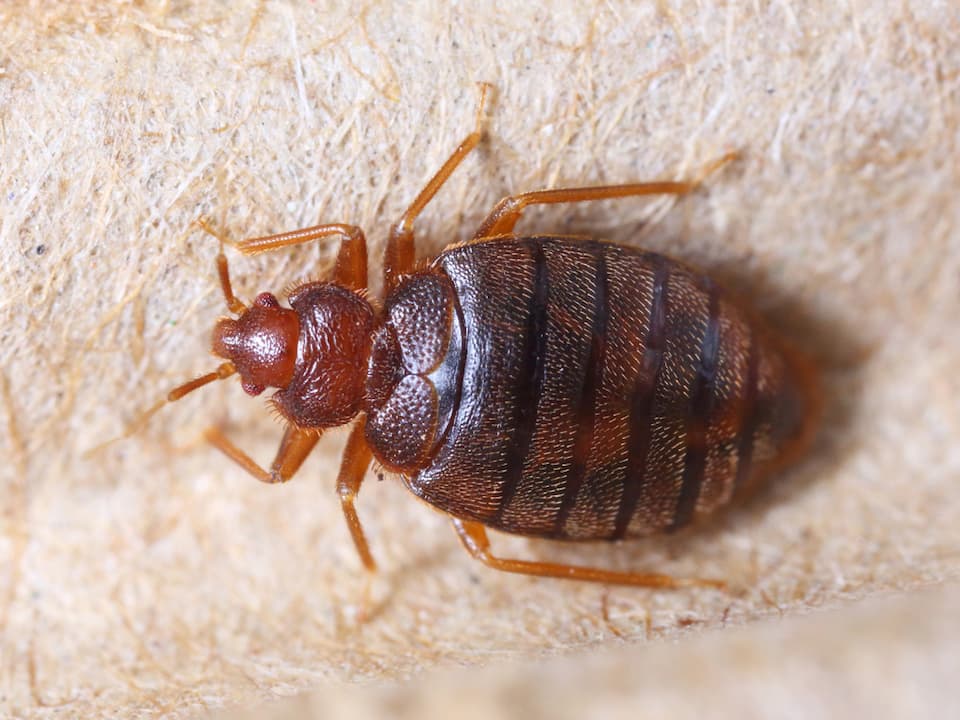
The most obvious sign of an infestation is spotting live bed bugs. Adult bed bugs are visible to the naked eye, measuring about 4-5mm in length (roughly the size of an apple seed). They have a flat, oval shape when unfed, becoming more balloon-like and reddish-brown after feeding. Look for them in mattress seams, bed frames, headboards, and nearby furniture, especially during nighttime inspections with a flashlight.
Young bed bugs (nymphs) are smaller and lighter in color, making them more difficult to spot. They go through five molting stages before reaching adulthood, and each stage requires a blood meal. Even if you don't see adult bugs, finding multiple shed skins can indicate an active infestation.

Rusty or reddish stains on bed sheets or mattresses caused by bed bugs being crushed. Dark spots (about this size: •), which are bed bug excrement and may bleed on the fabric like a marker would. These stains are among the most reliable indicators of bed bug presence.
Blood stains typically appear as small, rust-colored spots on sheets, pillowcases, or mattresses. They occur when bed bugs are accidentally crushed after feeding, either by the sleeping host rolling over them or during regular movement in bed. These stains are usually small but can be quite noticeable against light-colored bedding.
Fecal spots appear as dark brown or black dots, roughly the size of a period on this page. Unlike blood stains, these spots may bleed or blur when touched with a damp cloth, similar to how a marker would bleed on fabric. You'll typically find these spots concentrated around bed bug hiding places, creating clusters that indicate heavy activity.

Bed bug eggs are tiny, pearl-white, and about 1mm in size – roughly the size of a pinhead. They're often laid in clusters in secluded areas like mattress seams, behind headboards, or in furniture cracks. Empty eggshells indicate that nymphs have successfully hatched and are likely developing nearby.
Shed skins (exoskeletons) are another clear indicator of bed bug presence. As nymphs grow, they molt five times before reaching adulthood, leaving behind translucent, hollow shells that resemble the shape of the bug but are lighter in color. Finding multiple shed skins suggests an established population that's actively growing.
Large bed bug infestations often produce a distinctive sweet, musty odor that many people compare to rotting raspberries or coriander. This scent comes from the bugs' scent glands and becomes more noticeable as populations grow. If you detect an unusual sweet smell in bedrooms or living areas, especially when combined with other signs, it may indicate a significant infestation that requires immediate attention.
While bites alone cannot definitively confirm a bed bug infestation (as many insects and skin conditions can cause similar reactions), they often serve as the first alert that something may be wrong. Bed bug bites typically appear as small, red, itchy welts on exposed skin areas such as arms, shoulders, neck, and face.
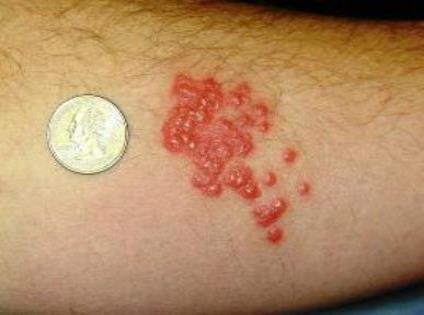
Characteristic patterns of bed bug bites include:
Linear or Clustered Patterns: Bed bugs often feed multiple times in a small area, creating lines or clusters of bites. The common saying "breakfast, lunch, and dinner" describes the linear pattern of three bites that bed bugs sometimes leave.
Timing: Bites typically appear within hours to days after being bitten, though some people may not react at all. The delayed reaction can make it difficult to connect bites to bed bug activity.
Location: Bites usually occur on exposed skin areas while sleeping. If you consistently wake up with new bites, especially during winter months when other biting insects are less active, bed bugs should be suspected.
Individual Reactions: People react differently to bed bug bites. Some experience severe itching and swelling, while others show no reaction at all. About 30% of people don't react to bed bug bites, making visual inspection even more critical.
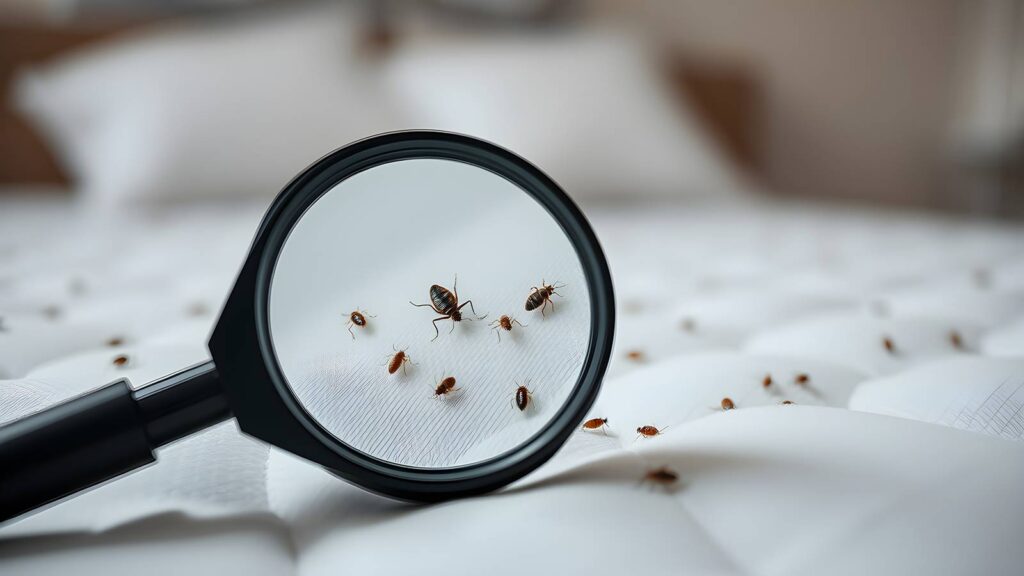
Start your bed bug inspection in bedrooms, as these are the most common infestation sites. Use a flashlight or smartphone light to illuminate dark areas, and consider using a magnifying glass for detailed examination.
Mattress and Box Spring Inspection:
Furniture Inspection:
While bedrooms are primary infestation sites, bed bugs can spread throughout a home, especially in severe infestations. Expand your inspection to include:
Living Areas:
Other Areas:
Modern bed bug detection has benefited from technological advances that can supplement visual inspections:
Interceptor Traps: These devices are placed under bed and furniture legs to catch bed bugs as they attempt to climb up to feed. They're particularly useful for monitoring and confirming infestations.
CO2 Monitors: Some advanced detection systems use carbon dioxide to attract bed bugs, simulating human breath to draw bugs out of hiding.
Bed Bug Detection Dogs: Some professional pest control companies may use specially trained dogs to detect bed bug scents. These dogs can identify infestations in early stages when visual confirmation might be difficult.
Bed bugs are masters of concealment, preferring tight spaces close to their food source (you). Understanding their preferred hiding spots is crucial for effective detection and treatment.
Primary Hiding Spots:
Secondary Locations:
Advanced Hiding Locations (in severe infestations):
While homeowners can conduct basic bed bug inspections, there are situations where professional help becomes necessary:
When to DIY:
When to Call Professionals:
Professional inspectors have specialized training, tools, and experience that can identify infestations in early stages when homeowners might miss the signs. They can also provide comprehensive treatment plans and follow-up monitoring.
Prevention remains the most effective strategy against bed bugs. Key prevention strategies include:
Travel Precautions:
Used Furniture Safety:
Home Maintenance:
If your inspection reveals signs of bed bugs, quick action is essential:
Immediate Steps:
Avoid Common Mistakes:
EPA and other agencies all consider bed bugs a public health pest, but bed bugs are not known to transmit disease. However, bed bug infestations can still impact health and wellbeing:
Physical Health Effects:
Mental Health Impact:
Pesticide Safety: When treatment becomes necessary, safety should be the top priority. Tips in this brochure include inspecting and cleaning second-hand furniture, inspection and prevention in hotel rooms, recognizing bites, integrated pest management, safe pesticide use, signs of infestation, and using mattress and box spring encasements. Always use EPA-approved products and follow label directions exactly.
Even after professional treatment, ongoing monitoring is crucial for long-term success:
Post-Treatment Monitoring:
Integrated Pest Management (IPM): Modern bed bug control relies on IPM principles that combine multiple strategies:
Early detection of bed bugs is critical for successful management and treatment. By understanding the signs of bed bugs and conducting regular bed bug inspections, homeowners can catch infestations before they become severe and costly to treat. Remember that bed bugs are challenging pests that require persistence and often professional intervention for complete elimination.
The key to success lies in being proactive rather than reactive. Regular inspections, especially after travel or acquiring used furniture, can save significant time, money, and stress. When signs of bed bugs are discovered, quick action and professional consultation provide the best chance for rapid resolution.
Stay informed, stay vigilant, and don't hesitate to seek professional help when needed. With proper knowledge and appropriate action, bed bug infestations can be successfully managed and prevented.
For more detailed information about bed bug detection, prevention, and control, consult these authoritative sources:
These resources provide scientific-based information from leading experts in entomology, public health, and pest management to help you make informed decisions about bed bug detection and control.