Accurate bed bug identification is the cornerstone of effective pest management, yet many homeowners struggle to distinguish these elusive parasites from other common household insects. Professional bug detection services report that misidentification is one of the most common mistakes homeowners make, often leading to ineffective treatment attempts and prolonged infestations. This comprehensive visual guide will equip you with the knowledge needed to identify bed bugs at every stage of their development, understand when professional home pest inspection becomes necessary, and recognize when to seek entomologist consultation for complex identification challenges.
Understanding what bed bugs actually look like is crucial because early identification can mean the difference between a manageable problem and a severe infestation requiring extensive professional intervention. The key to successful identification lies in knowing what to look for at each life stage, understanding their behavioral patterns, and recognizing the subtle signs they leave behind in your home.
Adults are about the size of an apple seed, brown and oval-shaped, and either flat or balloon-like depending on how recently fed. The most distinctive features of adult bed bugs include their mahogany to rusty brown coloration when unfed, transitioning to a darker reddish-brown after feeding. Their bodies are flattened on the top and bottom with microscopic hairs that give them a wrinkled appearance.
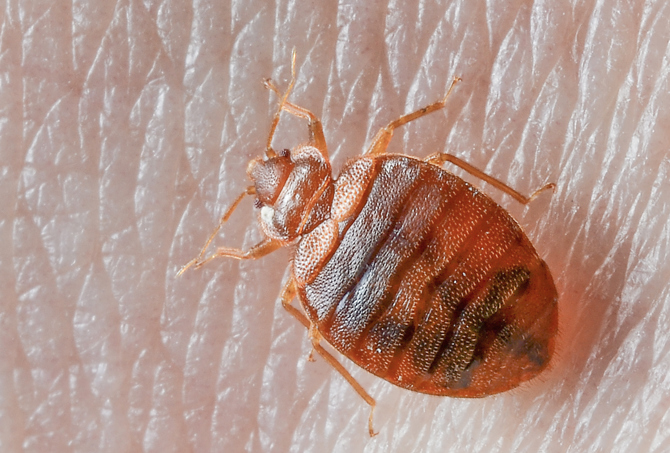
Adult bed bugs measure approximately 5-7 millimeters in length and 2.5-3 millimeters in width, making them clearly visible to the naked eye once you know what to look for. Their oval, seed-like shape is complemented by six legs, antennae, and a distinctive beak-like proboscis used for feeding. One of the most telling characteristics is how their appearance changes dramatically after feeding, when they become engorged with blood and take on a balloon-like appearance.
When conducting a home pest inspection, focus on these specific bed bug physical characteristics that distinguish bed bugs from other insects:
Body Shape and Size: Bed bugs have a distinctly flattened, oval body that's wider at the back than the front. This apple seed comparison is consistently accurate across different populations and geographic regions.
Coloration Patterns: Unfed adults display a consistent mahogany to rusty brown color, while recently fed individuals appear much darker and more reddish. This color change is one of the most reliable identification markers.
Surface Texture: Bed bugs are wingless insects. Their bodies are flattened on the top and bottom with microscopic hairs that give them a wrinkled appearance. This textured appearance helps distinguish them from smooth-bodied insects.
Movement Characteristics: Bed bugs move with a distinctive crawling gait, neither jumping nor flying. They can move quickly when disturbed but typically move slowly and deliberately when undisturbed.
Understanding the complete bed bug life cycle is essential for comprehensive identification and effective infestation assessment. Each stage presents unique identification challenges and requires specific knowledge to recognize.

Bed bug eggs are very small, about the size of a pinhead, and are a pearly white to translucent color. Characteristics of bedbug eggs include: tiny barrel-shaped, pearl-colored specks, no bigger than the head of a pin. These eggs are typically found clustered in protected areas such as mattress seams, furniture crevices, and behind picture frames.
Fresh eggs appear glossy and translucent, while older eggs may appear more opaque or yellowed. Female bed bugs can lay 1-5 eggs per day, with a single female capable of producing up to 500 eggs during her lifetime. The eggs are cemented to surfaces with a sticky substance, making them difficult to remove during cleaning.
Nymphs are a bit smaller and translucent or whitish yellow. The nymph stage consists of five distinct molting phases, each requiring a blood meal to progress to the next stage. First instar nymphs are barely visible at 1.5 millimeters long, appearing almost transparent except for their dark eye spots.
As nymphs progress through their molting stages, they gradually develop the adult coloration and size. Third and fourth instar nymphs become more visible and begin to show the characteristic brown coloring. Fifth instar nymphs are nearly adult-sized but may still appear lighter in color until their final molt.
During each molting phase, nymphs shed their exoskeleton, leaving behind translucent shell casings that serve as clear evidence of bed bug activity. These shed skins are often found in the same areas where live bugs hide and can accumulate over time in heavily infested areas.
The presence of multiple shed skins in various sizes indicates an active, reproducing population and suggests the infestation has been established for several weeks or months. Professional bug detection services often use the quantity and distribution of shed skins to estimate population size and determine treatment approaches.
Beyond identifying live bed bugs, recognizing the visual evidence bed bugs leave behind is crucial for early detection and infestation assessment.
Look for rusty or reddish stains and pinpoint dark spots on bed sheets or mattresses. Blood stains typically appear as small, rust-colored spots on bedding and can result from accidentally crushing engorged bed bugs during sleep or from continued bleeding after feeding.
Fresh blood stains appear bright red but quickly oxidize to a rust-brown color. These stains are most commonly found on sheets, pillowcases, and mattress surfaces near the head of the bed where most feeding activity occurs.
Dark brown to black fecal spots are among the most reliable signs of bed bug activity. These spots appear as small, dark marks about the size of a period and may smear when touched with a damp cloth if fresh. Older fecal spots become absorbed into fabric and may appear as permanent dark stains.
The distribution pattern of fecal spots can provide insights into bed bug behavior and population density. Heavy concentrations suggest established hiding areas, while scattered spots may indicate bugs are spreading throughout the area.
Established bed bug populations produce a distinctive sweet, musty odor that becomes more pronounced as populations grow. This scent comes from the bugs' scent glands and is often described as similar to overripe berries, almonds, or coriander.
The presence of this odor typically indicates a significant population and suggests professional intervention may be necessary. During home pest inspection, experienced technicians often use scent detection as one component of their assessment process.
While homeowners can identify many bed bug signs, professional bed bug detection services employ specialized methods and equipment that provide more comprehensive and accurate identification.
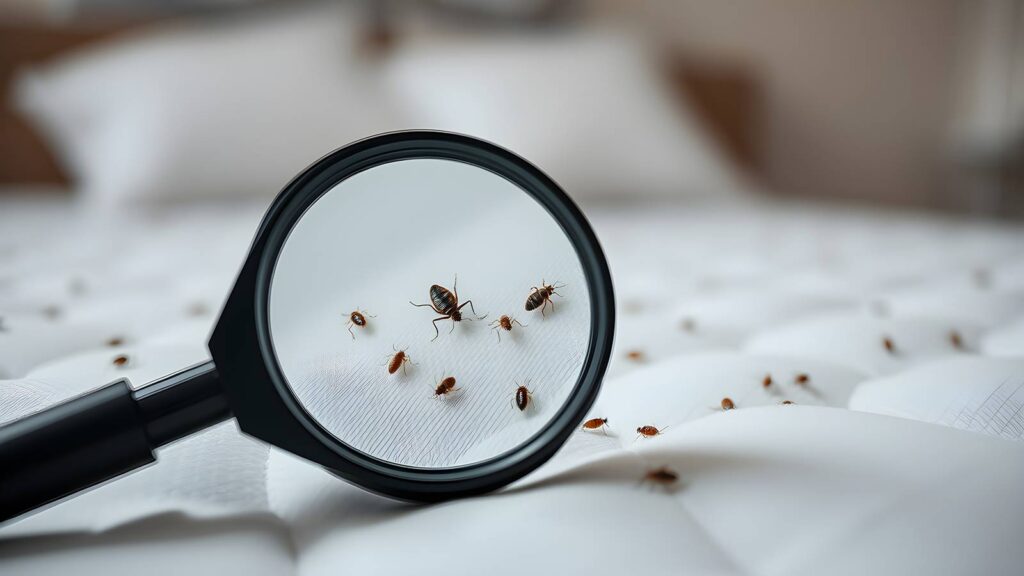
Start with visual inspection tools like high-intensity flashlights, which help illuminate hidden signs of bed bugs. Orange filter goggles enhance your ability to see proteins from bed bug residues. Magnifiers, such as 4x specimens, allow you to examine small areas closely.
Professional technicians use systematic inspection protocols that cover all potential hiding areas in a methodical manner. This comprehensive approach ensures that even low-level infestations are detected before they become established.
When both visual inspection and interceptors are used for monitoring bed bugs, the detection rate increases to 99 percent. This technique is considered the most cost-effective method for performing building-wide inspections for bed bugs.
Professional services combine multiple detection methods to achieve optimal accuracy, including visual inspection, monitoring devices, and sometimes canine detection for complex cases.
Entomologist consultation becomes valuable in several specific situations:
Complex Identification Cases: When insect specimens don't clearly match typical bed bug characteristics, professional identification prevents misdiagnosis and inappropriate treatment.
Unusual Infestation Patterns: Some infestations present atypical evidence or behavior patterns that require expert analysis to understand and address effectively.
Treatment Resistance Issues: When standard treatments fail, entomologists can provide species verification and recommend specialized approaches based on the specific population characteristics.
Legal or Documentation Needs: Property disputes, insurance claims, or tenant-landlord issues may require documented professional identification and assessment.
Determining how many bed bugs constitutes an infestation is crucial for selecting appropriate treatment approaches and setting realistic expectations for elimination timelines.
Light infestations typically involve fewer than a dozen active bed bugs and show minimal evidence of establishment. Signs include occasional bite reports from one person, isolated blood stains or fecal spots, and rare live bug sightings.
At this level, the population may still be contained to a single room or area, making treatment more straightforward and less disruptive. Early detection at this stage provides the best outcomes for quick resolution.
Moderate infestations show clear evidence of established breeding populations with multiple age groups present. Visual evidence becomes more common and widespread, affecting multiple areas within a room or beginning to spread to adjacent rooms.
Bite reports become more frequent and may affect multiple household members. The sweet musty odor may become occasionally noticeable, particularly in enclosed spaces like bedrooms.
Heavy infestations involve hundreds to thousands of bed bugs and typically affect multiple rooms throughout a property. Visual evidence is extensive and easily found, with live bugs sometimes visible during daylight hours.
The characteristic odor becomes persistent and noticeable throughout affected areas. At this level, professional infestation assessment and treatment become essential for successful elimination.
Understanding when and where bed bugs are most active helps optimize identification efforts and timing of home pest inspection activities.
Bed bug activity follows predictable seasonal patterns that affect identification timing. Peak activity typically occurs during late summer and early fall when travel-related introductions combine with optimal breeding conditions.
Summer travel season increases the likelihood of bed bug introduction from hotels, vacation rentals, and other accommodations. Many homeowners first notice signs of activity 4-6 weeks after returning from travel, coinciding with the time needed for populations to establish and become noticeable.
Temperature and humidity significantly impact bed bug development rates and activity levels. Warmer conditions accelerate reproduction and feeding activity, while cooler temperatures slow bed bug development but don't eliminate activity in heated indoor environments.
Understanding local climate patterns helps predict when infestations are most likely to develop and when identification efforts should be intensified.
Common Misidentification Issues
Many insects are commonly mistaken for bed bugs, leading to unnecessary panic or inappropriate treatment attempts.
Carpet Beetles: Often confused with bed bugs, but carpet beetles are more rounded and have distinct pattern markings. They feed on organic materials rather than blood.
Fleas: Smaller than bed bugs and capable of jumping. Fleas typically affect pet-owning households and show different bite patterns.
Ticks: While blood-feeding, ticks are arachnids with eight legs rather than insects with six legs. They're typically larger when engorged and don't show the same hiding behaviors.
Cockroach Nymphs: Young cockroaches may appear similar in size and color but have longer antennae and different body proportions.
When identification remains uncertain, professional bug detection services provide definitive species confirmation. This verification prevents wasted time and money on inappropriate treatments while ensuring that actual bed bug infestations receive proper attention.
While homeowners can identify many obvious signs of bed bug activity, professional home pest inspection offers several advantages for comprehensive identification.
Homeowners can effectively identify obvious signs such as live adult bugs, blood stains on bedding, and clear fecal spotting. Basic visual inspection of mattresses, furniture, and common hiding areas can reveal many infestations once they become established.
Professional technicians bring specialized training, experience with subtle identification markers, and systematic inspection protocols that ensure thorough coverage of all potential hiding areas. They can distinguish between active and old infestations, estimate population levels, and identify all affected areas throughout a property.
Professional services utilize specialized equipment including high-intensity flashlights, magnification tools, detection monitors, and sometimes thermal imaging or canine detection for complex cases.
Proper documentation of bed bug identification allows for more effective treatment planning and monitoring.
When documenting suspected bed bug activity, use high-quality, well-lit photographs that clearly show size relationships, colors, and distinctive features. Include photos of evidence locations to help professionals understand distribution patterns.
If possible, collect specimens in sealed containers for professional identification. Live bugs should be preserved in rubbing alcohol, while evidence like shed skins and fecal spots can be collected on tape for examination.
Professional infestation assessment includes detailed documentation of all evidence found, population estimates, affected areas, and recommended treatment approaches. This documentation provides a baseline for measuring treatment effectiveness.
Accurate identification directly impacts treatment selection and success rates.
While most residential infestations involve the common bed bug (Cimex lectularius), other species may require different treatment approaches. Professional identification ensures that treatment methods match the specific species present.
Light infestations may respond well to targeted treatments, while heavy infestations typically require comprehensive whole-structure approaches. Understanding population levels through proper identification helps select the most effective treatment strategy.
Post-treatment identification and monitoring ensure that treatments have been successful and help detect any surviving populations that require additional intervention.
Proper bed bug identification serves as the foundation for all successful pest management efforts. Whether conducted by homeowners during routine inspections or by professionals during comprehensive assessments, accurate identification prevents misdiagnosis, ensures appropriate treatment selection, and provides the baseline information needed for effective elimination strategies.
The visual characteristics described in this guide, combined with understanding of life cycle stages and infestation assessment criteria, provide homeowners with the knowledge needed to recognize bed bug activity early when treatment is most effective. However, recognizing the limitations of DIY identification and knowing when to seek professional bug detection services or entomologist consultation ensures that complex or uncertain situations receive appropriate expert attention.
Remember that bed bug identification is just the first step in a comprehensive management approach. Once identified, prompt action through appropriate bed bug treatment methods provides the best outcomes for complete elimination and prevention of re-infestation.
Early identification, whether through regular home pest inspection or professional assessment, remains your best defense against these persistent parasites. By understanding what to look for and when to seek professional help, you can protect your home and family from the significant disruption and expense associated with established bed bug infestations.