Bed bugs are among the most persistent and frustrating pests that homeowners can encounter. These small, blood-sucking insects have made a significant comeback in recent decades, leaving many people wondering: Can Bed Bugs Truly Be Exterminated? The answer is a resounding yes, but successful bed bug extermination requires a comprehensive approach, proper preparation, and often professional intervention.
Understanding the nature of bed bug infestations and implementing effective treatment strategies is crucial for complete eradication. This comprehensive guide will explore everything you need to know about bed bug removal, from identification and prevention to professional treatment options and long-term control strategies.
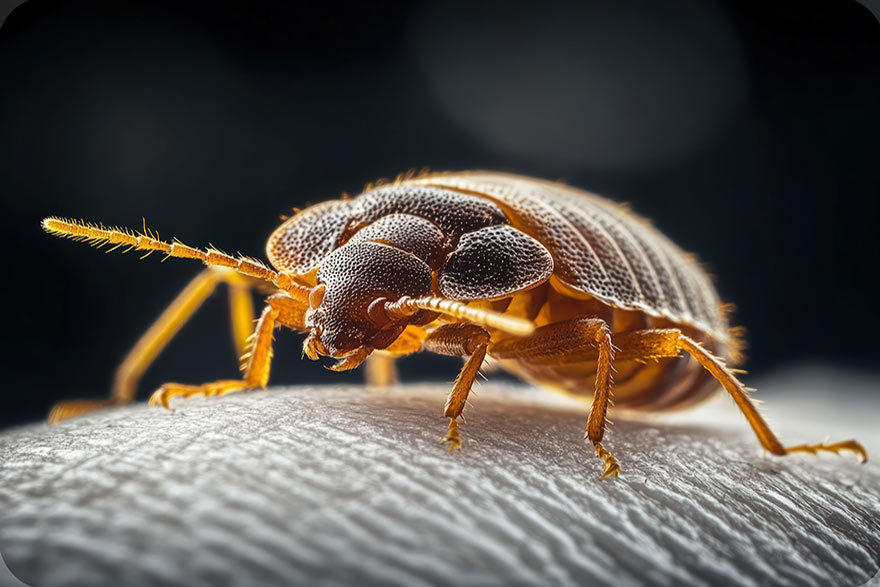
Bed bugs (Cimex lectularius) are small, oval-shaped insects that feed exclusively on blood. Their ability to hide in the smallest cracks and crevices, combined with their rapid reproduction rate, makes bed bug control particularly challenging. A single female bed bug can lay up to 500 eggs in her lifetime, leading to exponential population growth if left untreated.
The resurgence of bed bug infestations in recent years has created significant challenges for both homeowners and pest control professionals. According to research published in peer-reviewed journals, bed bugs have developed resistance to many common pesticides, making traditional treatment methods less effective than they once were.
Many people attempt to kill bed bugs using over-the-counter sprays or home remedies, only to find that the infestation returns within weeks. This happens because bed bugs are exceptional at hiding in mattress seams, furniture joints, electrical outlets, and wall voids. A single missed egg or adult bug can restart the entire infestation cycle.
Professional bed bug exterminators understand that successful eradication requires targeting all life stages of bed bugs: eggs, nymphs, and adults. Each stage requires different treatment approaches and timing to ensure complete elimination.
The most effective approach to get rid of bed bugs involves integrated pest management (IPM), which combines multiple treatment methods for maximum effectiveness. The Environmental Protection Agency (EPA) recommends using both chemical and non-chemical methods as part of a comprehensive bed bug removal strategy.
Heat treatment for bed bugs has emerged as one of the most effective methods to eradicate bed bugs. This non-chemical approach involves raising the temperature in infested areas to lethal levels for bed bugs. Professional heat treatments typically maintain temperatures between 118-122°F for several hours, ensuring that all life stages of bed bugs are eliminated.
The Centers for Disease Control and Prevention (CDC) recognizes heat treatment as an effective method for bed bug control. Heat penetrates into all the hiding spots where bed bugs congregate, including inside walls, furniture, and other areas that chemical treatments might not reach effectively.
The EPA has registered more than 300 pesticide products across seven chemical classes specifically for bed bug control. These include pyrethrins, pyrethroids, desiccants, biochemicals, pyrroles, neonicotinoids, and insect growth regulators. Each chemical class works differently, and professional exterminators often use combinations of these products for enhanced effectiveness.
Modern bed bug pesticides are significantly more advanced than older formulations. Desiccants, for example, work by damaging the protective waxy coating on bed bugs, causing them to dehydrate and die. These products are particularly valuable because bed bugs cannot develop resistance to the physical mode of action.
Extreme cold can also be lethal to bed bugs, though this method requires careful application. Items must be exposed to temperatures of 0°F (-17.8°C) for at least four days to ensure complete mortality of all life stages. This method is most practical for treating specific items like clothing, books, or small furniture pieces.
While DIY bed bug treatment methods exist, severe infestations typically require professional intervention. A professional bed bug exterminator brings several advantages to the eradication process:
Professional exterminators have extensive training in bed bug biology, behavior, and treatment methods. They understand the nuances of different treatment approaches and can customize their methods based on the specific characteristics of each infestation.
Professional pest control bed bugs services have access to commercial-grade equipment and specialized products not available to consumers. This includes professional heat treatment equipment, commercial-grade pesticides, and monitoring tools that can detect even low-level infestations.
Professional bed bug control services typically involve multiple treatment visits spaced over several weeks. This approach ensures that newly hatched bed bugs are eliminated before they can mature and reproduce, breaking the infestation cycle completely.
Proper preparation significantly impacts the success of any bed bug treatment program. Whether working with a professional exterminator or attempting DIY methods, thorough preparation is essential for effective results.
Reducing clutter eliminates hiding spots and makes treatment more effective. Remove unnecessary items from bedrooms and living areas, and organize remaining belongings in sealed plastic containers. This creates clear access for treatment applications and reduces the number of places bed bugs can hide.
All washable fabrics should be laundered in hot water (at least 120°F) and dried on high heat settings for at least 30 minutes. Items that cannot be washed can be placed in the dryer on high heat for 30-40 minutes. For delicate fabrics, freezing for four days at 0°F can be an alternative.
High-quality mattress and box spring encasements are crucial components of bed bug treatment. These specially designed covers trap any remaining bed bugs inside while preventing new infestations from establishing in these common hiding spots. Quality encasements should be left in place for at least 12-18 months to ensure all trapped bugs die.
The EPA strongly recommends using integrated pest management (IPM) principles for effective bed bug control. This approach combines multiple strategies to achieve long-term success while minimizing pesticide use and environmental impact.
Early detection is crucial for successful bed bug treatment. Regular monitoring using bed bug interceptors, sticky traps, and visual inspections can identify infestations before they become severe. Professional exterminators often use trained detection dogs or specialized monitoring devices to locate hidden infestations.
Preventing bed bug infestations is always preferable to treatment. This includes inspecting second-hand furniture before bringing it home, checking hotel rooms when traveling, and sealing cracks and crevices where bed bugs might enter or hide.
Successful bed bug eradication requires ongoing vigilance. Regular inspections, proper sanitation practices, and prompt response to any signs of re-infestation are essential components of long-term bed bug control.
While professional treatment is often recommended for severe infestations, some situations may be manageable with do-it-yourself approaches. Understanding the limitations and requirements of DIY bed bug treatment is important for setting realistic expectations.
DIY bed bug treatment is most likely to succeed with very early, localized infestations. If bed bugs are confined to a single piece of furniture or a small area, immediate action with appropriate products might prevent the infestation from spreading.
Many DIY attempts fail because of incomplete treatment, improper product application, or failure to address all potential hiding spots. Common mistakes include using ineffective products like bed bug bombs, which the EPA has found largely ineffective, or focusing only on visible bugs while ignoring eggs and hidden populations.
Understanding the biology and behavior of bed bugs is crucial for effective treatment. Research from universities and government agencies provides valuable insights into the most effective extermination methods.
Bed bugs progress through five nymphal stages before reaching adulthood, with each stage requiring a blood meal. Understanding this life cycle is crucial for treatment timing, as eggs are often resistant to pesticides and must be targeted when they hatch into vulnerable nymphs.
Research has shown that some bed bug populations have developed resistance to certain pesticides, particularly pyrethroids. This resistance highlights the importance of using multiple treatment modes and rotating different chemical classes to prevent resistance development.
Successful bed bug extermination extends beyond the initial treatment period. Long-term success requires ongoing attention to prevention and monitoring.
Monthly inspections of beds, furniture, and other potential hiding spots can detect new infestations before they become established. Look for dark spots, blood stains, sweet musty odors, and other signs of bed bug activity.
Bed bugs are excellent hitchhikers, and travel is a common source of new infestations. Inspect hotel rooms upon arrival, keep luggage in bathtubs or on hard surfaces, and wash all clothing in hot water immediately upon returning home.
In multi-unit housing, bed bug control requires community-wide cooperation. Infestations can spread between units through wall voids and shared spaces, making coordinated treatment essential for long-term success.
Bed bug extermination represents a significant investment, but the cost of professional treatment is often less than the cumulative expense of failed DIY attempts, property damage, and health impacts of prolonged infestations.
Professional bed bug treatment typically costs between $1,000 and $5,000 for an average home, depending on the severity of the infestation and treatment methods used. Heat treatments are generally more expensive upfront but often require fewer follow-up visits than chemical treatments.
Effective professional treatment provides long-term value by completely eliminating the infestation and reducing the risk of re-infestation. Failed DIY attempts often result in wasted money on ineffective products and allow infestations to become more severe and expensive to treat.
Bed bug treatments, particularly chemical applications, require careful attention to health and safety considerations. Understanding these factors helps ensure safe and effective treatment.
When using pesticides for bed bug control, always follow label directions carefully and ensure adequate ventilation. Children and pets should be removed from treated areas until products have dried completely. The EPA provides detailed safety information for all registered bed bug pesticides.
While bed bugs do not transmit diseases, their bites can cause significant discomfort and secondary health issues. Some people develop allergic reactions, and excessive scratching can lead to secondary bacterial infections. Effective treatment eliminates these health concerns.
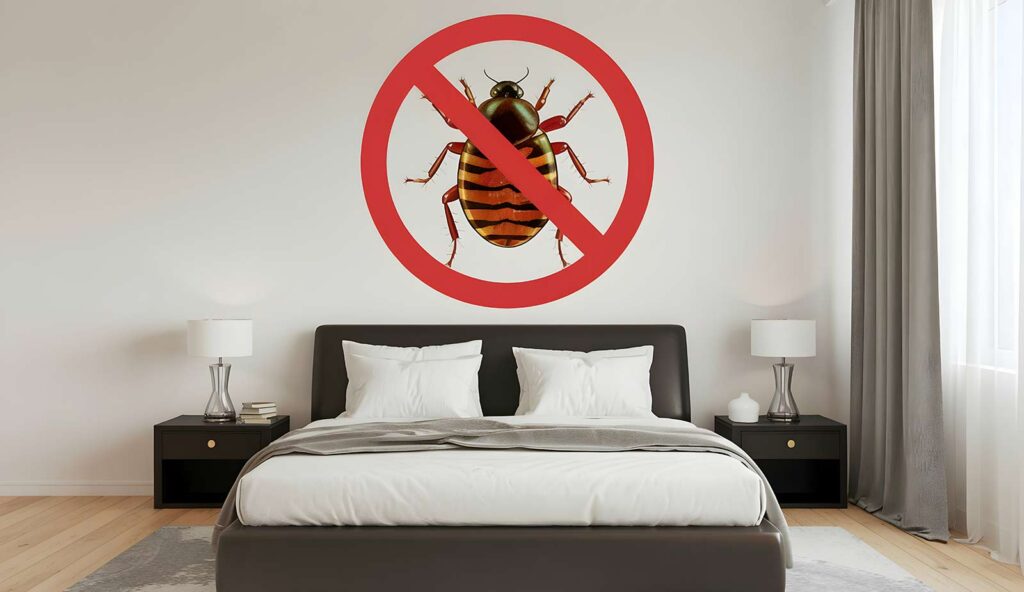
Bed bugs can indeed be completely exterminated when proper methods are employed consistently and thoroughly. Success requires understanding bed bug biology, using effective treatment methods, proper preparation, and often professional expertise. While the process can be challenging and time-consuming, complete elimination is achievable with the right approach.
The key to successful bed bug extermination lies in comprehensive treatment that addresses all life stages, proper preparation of the treatment area, and ongoing monitoring to prevent re-infestation. Whether using DIY methods for early, localized infestations or professional services for severe problems, the principles of integrated pest management provide the foundation for effective, long-term bed bug control.
Remember that patience and persistence are essential components of successful bed bug treatment. Complete extermination may take several weeks or months, but with proper methods and consistent application, your home can be completely free of these persistent pests.