As a parent, your daily worry list is already long enough. You worry about grades, social dynamics, scraping knees on the playground, and the inevitable cold or flu bug making its way home during the winter months. You expect your children to bring home homework, art projects, and perhaps the occasional scraped knee. What you don't expect, and certainly don't want, is for them to bring home a parasitic hitchhiking bed bug that can turn your peaceful home upside down.
Mention "lice" in a crowded PTA meeting, and everyone instinctively scratches their heads. Mention "bed bugs," and the room goes silent with genuine fear.
In recent years, schools and daycares across Northern California, from bustling Sacramento centers to quieter suburban preschools, have increasingly become unintentional hubs for bed bug transfers. It is a scenario that nightmares are made of, but it is also a manageable reality. The key lies not in panic, but in understanding the enemy and implementing a proactive defense strategy.
This guide is designed to empower parents with the knowledge needed to understand the risks, recognize the subtle signs of bed bugs, and establish a daily routine that keeps these unwanted pests out of your home.
Before getting into prevention, it is crucial to de-stigmatize the issue. If a school or daycare reports a bed bug sighting, it is not an indicator of poor hygiene, dirty facilities, or negligent staff. Bed bugs do not care about the cleanliness of a room or the prestige of a school district. They care about two things: a blood meal and a place to hide.
Schools and daycares are inherently social, high-traffic environments, making them perfect transit stations for bed bugs.
The Hitchhiker Dynamic: Bed bugs rarely travel on people; they travel on their belongings. In a classroom setting, thirty backpacks might be piled in a communal bin. Coats hang touching each other in crowded cubbies. During nap time at daycare, sleeping mats or blankets are often stacked together between uses.
If just one child unwittingly brings a bed bug in on a backpack from an infested home, that bug can easily crawl onto an adjacent backpack or jacket. When the bell rings, that hitchhiker goes home with a new host family. It is a simple game of numbers and opportunity, and unfortunately, schools provide ample opportunity.
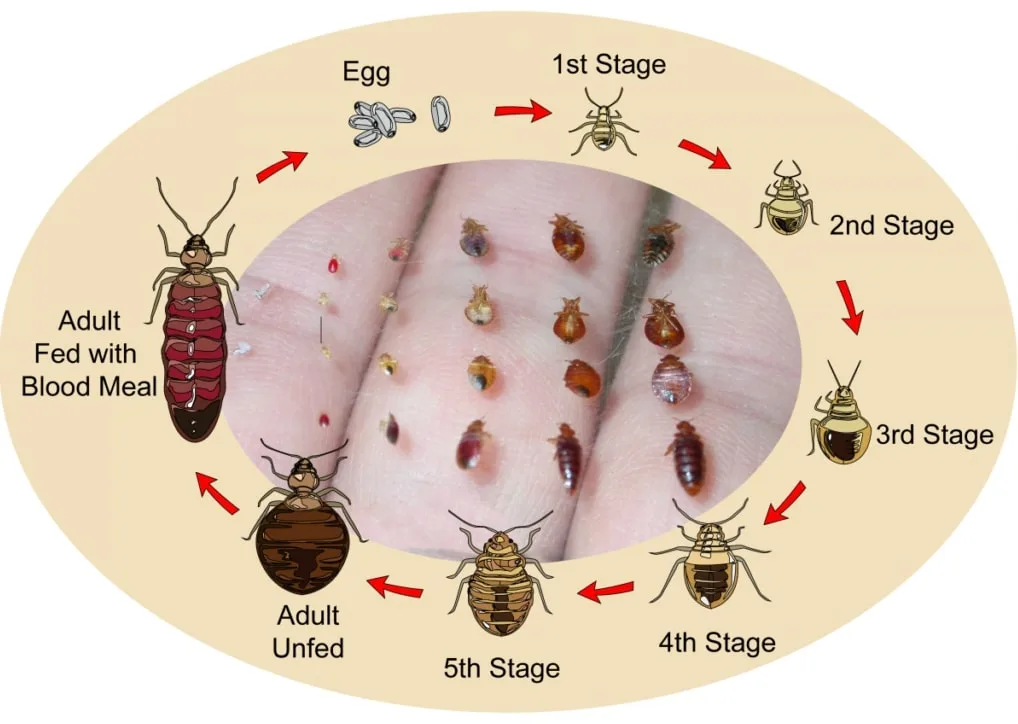
You cannot fight what you cannot see. While you likely won't see a live bed bug crawling on your child’s jacket as they walk out the school doors, knowing what to look for is the first line of defense.
Visual Identification: An adult bed bug is roughly the size and shape of an apple seed, flattened, oval, and reddish-brown. Nymphs (younger bugs) are smaller and lighter in color, sometimes nearly translucent, making them much harder to spot.
Read more: Bed Bug Identification & Awareness: A Comprehensive Guide
Signs on Your Child: The most obvious sign is bites, though this is tricky. Bed bug bites often appear in rows or clusters of three (sometimes jokingly called "breakfast, lunch, and dinner"). However, reaction to bites varies wildly. Some children develop large, itchy red welts, while others show absolutely no reaction at all. Therefore, an absence of bites does not guarantee an absence of bugs.
Read more: Bed Bug Bites vs Other Insect Bites: How to Tell the Difference
Signs on Belongings: This is where your vigilance pays off. Periodically inspect backpacks, lunchboxes, and coats. You aren't just looking for live bugs. Look for:
You cannot control the environment of the entire school, but you can control what enters your home. Establishing a "threshold routine" is the single most effective way to prevent a school transfer from becoming a home infestation.
Treat your entryway like an airlock. Do not allow school items to migrate to bedrooms or the living room couch.
Heat is the bed bug's kryptonite. Bed bugs cannot survive sustained temperatures above 122°F. Your household dryer is your best weapon.
Daycares present a unique challenge with nap mats and blankets traveling back and forth.
Teach your children basic preventative measures appropriate for their age without scaring them. Teach them not to share hats, scarves, or coats with friends. Encourage them to hang their backpack on their designated hook at school rather than throwing it in a communal pile on the floor, if possible.
Don't be afraid to ask your school administration about their bed bug management protocols. A proactive school should have a clear policy in place.
Ask them:
Knowing these answers helps you gauge your own level of necessary vigilance. Furthermore, if you unfortunately discover bed bugs in your own home, inform the school immediately. It is an uncomfortable conversation, but transparency is essential to stop the cycle of re-infestation between home and school.
Finding a bed bug on your child’s backpack is terrifying, but panic will not help. Immediate, calm action is required.
The goal of this guide is not to make you afraid to send your child to school, but to make you aware. Just as you teach your children to wash their hands to prevent the flu, a few simple routines regarding their belongings can drastically reduce the risk of bringing home bed bugs.
A little bit of daily awareness goes a long way. By controlling what crosses your threshold and utilizing the bug-killing power of your dryer, you can keep your home secure.
However, if you have a suspicion that a hitchhiker may have established a foothold in your Sacramento area home, do not wait. Bed bugs reproduce rapidly. Contact professional bed bug exterminators immediately for a thorough inspection. Catching the problem early is the difference between a minor inconvenience and a major household crisis.