Discovering bed bugs in your home is a nightmare scenario for any homeowner. The itching, the anxiety, and the sleepless nights are enough to drive anyone to look for the fastest, strongest solution available. But for the millions of households that include a dog, cat, bird, or aquarium, that urgency is often checked by a paralyzing question:
"Will the treatment that kills the bed bugs hurt my pets?"
It is a valid concern. Historically, bed bug control involved harsh chemicals that required long evacuation periods and posed genuine risks to animals. However, the pest control industry, specifically in California, has evolved significantly. Today, effective bed bug eradication does not have to come at the expense of your pet's safety.
Whether you have a Golden Retriever, a Tabby cat, or a sensitive saltwater aquarium, this guide will walk you through the safety protocols of modern bed bug treatments. We will compare heat versus chemical methods, outline specific risks for different types of animals, and provide a step-by-step checklist to ensure your furry family members stay safe while your home becomes bed bug-free.
To understand safety, you first need to understand how the treatments work. Professional exterminators generally use one of two methods (or a combination of both): Heat Treatment or Chemical Prep and Spray Treatment.
For pet owners, bed bug heat treatment is widely considered the safest option available. The premise is simple: bed bugs, from eggs to adults, cannot survive temperatures above 122°F (50°C). Professionals use specialized heaters to raise the ambient temperature of your home to a lethal level (usually between 135°F and 150°F) for several hours.
Why it’s safer for pets:
Note: While safe after the fact, pets absolutely cannot be inside during the treatment. The temperatures used are lethal to animals just as they are to bugs.
Chemical bed bug treatments involve applying insecticides to "harborage areas", baseboards, cracks, crevices, and furniture. Modern professional-grade insecticides are rigorously tested, but they still carry risks if not managed correctly.
The Risks:
If you choose chemical treatment, strict adherence to "drying times" (usually 4 to 6 hours minimum) and proper preparation of the treatment areas are non-negotiable.
Not all pets react to pest control methods the same way. A treatment plan that is safe for a 60-pound dog might be fatal for a parakeet.
Mammals are generally the most robust when it comes to bed bug extermination safety, but they are also the most curious.
These animals have highly sensitive respiratory systems.
Aquariums pose a unique challenge because you cannot easily "take them for a walk" while the exterminator works.
Many homeowners try to solve the problem themselves to save money, thinking, "I'll just buy a spray from the hardware store; it must be safe if it's sold on the shelf."
This is a dangerous misconception.
DIY bed bug treatment can often be more dangerous to pets than professional extermination for three reasons:
Preparation is 90% of the battle. Follow this checklist to ensure your pet’s safety before the exterminators arrive.
Even with the best precautions, accidents can happen, usually due to underlying sensitivities. Watch your pet closely after returning home.
Symptoms of Pesticide Exposure in Pets:
If you notice these signs, do not wait. Contact your veterinarian immediately and try to provide them with the name of the chemical used (your exterminator can provide the "SDS" or Safety Data Sheet).
Symptoms of Heat Stress (Post-Heat Treatment):
This can happen if you bring a pet back into a home that hasn't fully cooled down yet. Ensure the home is at a comfortable room temperature (under 80°F) before letting pets back in.
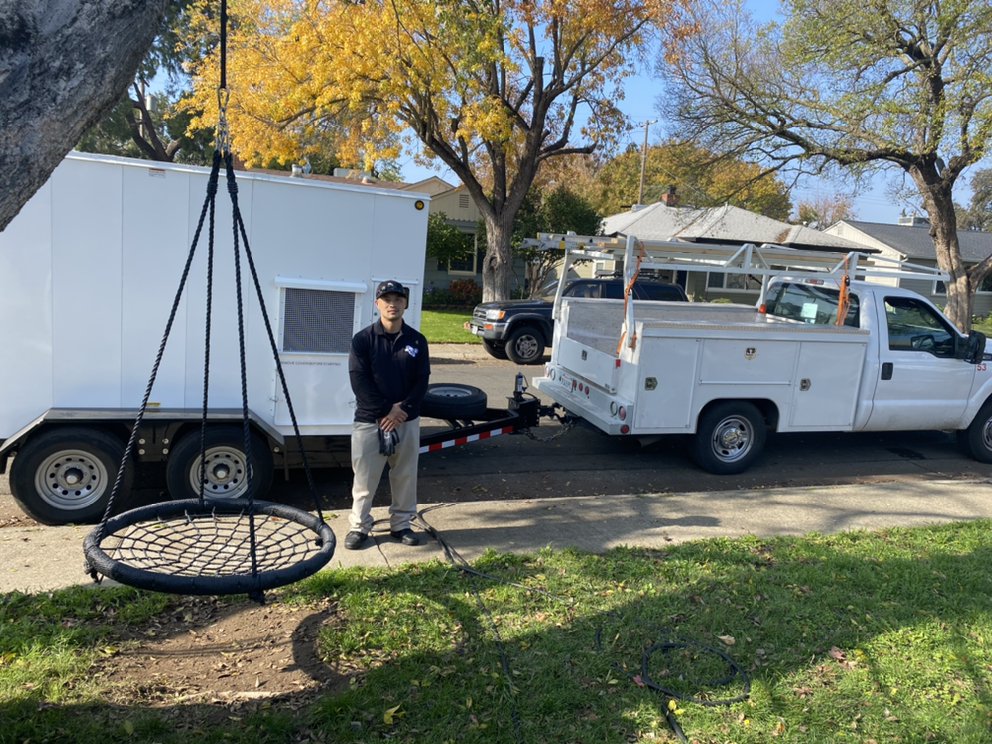
At California Bed Bug Exterminators, we have treated hundreds of homes for bed bugs in Sacramento and Northern California, many of which are home to beloved pets. While we are licensed and skilled in chemical applications, we often recommend Heat Treatment as the superior choice for households with animals.
Heat treatment eliminates the variable of "drying time." It eliminates the worry of "did they miss a spot of residue?" It is a clean, thermal process that kills bed bugs where they hide, inside mattresses, behind baseboards, and within furniture, without introducing foreign substances into your pet’s environment.
Furthermore, heat treatment is a "one-and-done" solution. Chemical treatments often require follow-up visits and repeated exposure risks. With heat, we can usually eliminate the entire infestation in a single day, meaning you and your pets can get back to normal life immediately.
Living with bed bugs is not an option. They spread quickly, cause physical discomfort, and destroy your peace of mind. But you should never feel like you have to put your pets in harm's way to get rid of them.
By choosing a professional exterminator who specializes in pet-safe protocols, and specifically one who offers thermal remediation (heat treatment), you can ensure that the only things being harmed in your home are the bed bugs.
If you are dealing with a bed bug infestation in the Sacramento area and are worried about your dog, cat, or other pets, give California Bed Bug Exterminators a call. We will happily walk you through our safety protocols, discuss your specific pets' needs, and create a custom treatment plan that solves the problem while keeping your entire family safe.
Is bed bug treatment safe for dogs and cats?
Yes, bed bug treatment can be safe for dogs and cats when it is done properly and with the right precautions. Modern professional treatments are much safer than older methods, but pets should still be kept out during treatment and only brought back once it is safe to re-enter. Dogs and cats are especially at risk if they walk through wet chemicals, lick treated surfaces, or come into contact with residue before everything is fully dry.
Is heat treatment safer for pets than chemical bed bug treatment?
In most cases, yes. Heat treatment is the safest option for pet owners because it kills bed bugs with high temperatures instead of leaving behind chemical residue on floors, furniture, and other surfaces pets may touch. Pets still cannot remain inside during the treatment itself, but once the home cools down, re-entry is usually much faster and simpler than with chemical treatment.
How long should pets stay out of the house after bed bug treatment?
That depends on the treatment method. For heat treatment, pets can usually return once the home has cooled down, often within about an hour after the technicians leave. For chemical treatment, drying time is usually at least 4 to 6 hours, and birds may need to stay out even longer, sometimes 24 hours or more because of their sensitive respiratory systems. The safest approach is to follow the technician's instructions and give it extra time rather than returning early.
What should I do with pet bedding, toys, and food bowls before treatment?
Pet bedding, blankets, and soft toys should be washed in hot water and dried on high heat for at least 30 minutes, then sealed in a plastic bag and removed from the treatment area. Food and water bowls should also be taken out before treatment, and toys like chew toys, bones, and cat toys should be stored away. After treatment, we recommend washing bowls with soap and water before using them again.
Are DIY bed bug sprays, foggers, or essential oils safe to use around pets?
DIY methods can actually be more dangerous for pets than professional treatment. Overapplying store-bought sprays can leave puddles of chemicals that take longer to dry, increasing exposure risk. Foggers are especially problematic because they spread pesticide across surfaces like floors, counters, and pet bowls, while still doing a poor job reaching bed bugs in hiding spots. The article also warns that some concentrated essential oils, including tea tree and citrus oils, can be toxic to cats and dogs.