(888) 925-3094

What is Bed Bug Heat Treatment and How Effective Is It?

Bed bug infestations can quickly transform from a minor nuisance into a full-blown nightmare. While there are numerous treatment options available, heat treatment has emerged as one of the most effective methods for completely eradicating these persistent pests. In this article, we'll explore everything you need to know about bed bug heat treatments, how they work, their effectiveness, and what to expect during the process.


Understanding Bed Bug Biology: Why Heat Works

Before diving into the specifics of heat treatment, it's important to understand why bed bugs are so vulnerable to elevated temperatures.

Bed bugs (Cimex lectularius) are small, reddish-brown insects that feed exclusively on blood. Their flat bodies allow them to hide in the tiniest cracks and crevices, making traditional pesticide treatments challenging. However, bed bugs have a critical weakness: they cannot survive high temperatures.

According to research from the Department of Entomology at Virginia Tech, bed bugs and their eggs die when exposed to temperatures above 113°F (45°C). At these temperatures, the proteins in their bodies begin to break down, and their metabolic processes fail, leading to their death.

This vulnerability to heat is what makes thermal remediation so effective, targeting bed bugs in all life stages, from eggs to adults, even in hard-to-reach hiding spots.


What is Thermal Remediation for Bed Bugs?

Thermal remediation, also known as heat treatment, is a non-chemical method of eliminating bed bugs by raising the temperature of an infested area to lethal levels. Unlike traditional pesticides that may leave residues and require multiple applications, heat treatment offers a one-time, comprehensive solution.


The process utilizes specialized heating equipment to gradually raise the temperature throughout an entire room or building. The temperature is carefully monitored and maintained at levels lethal to bed bugs (typically between 135°F and 145°F) for several hours to ensure complete eradication.
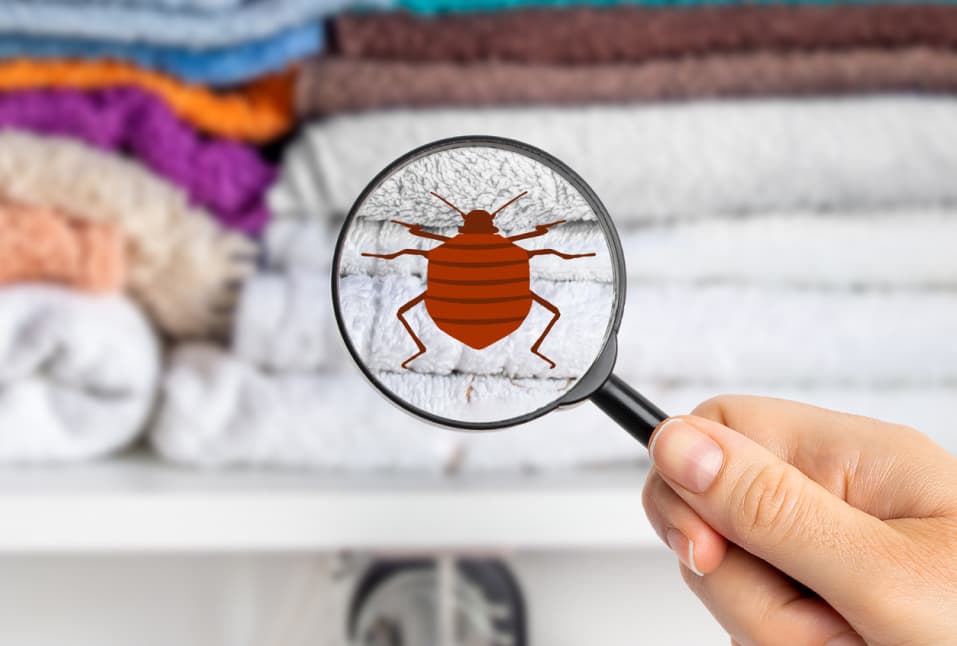
find those bed bugs to remove


Key Advantages of Thermal Remediation:

  • Chemical-Free: Ideal for environmentally conscious consumers and those with chemical sensitivities
  • Single-Treatment Effectiveness: Often eliminates the need for multiple treatments
  • Reaches Hidden Infestations: Heat penetrates walls, furniture, and belongings where bed bugs hide
  • Kills All Life Stages: Effective against eggs, nymphs, and adult bed bugs
  • Reduced Preparation: Less preparation required compared to chemical treatments
  • Immediate Reoccupation: Spaces can typically be reoccupied as soon as they cool down

According to the National Pest Management Association, heat treatments have a success rate of over 97% when performed correctly by professionals, making them one of the most reliable methods available.


How Does Heat Treatment Kill Bed Bugs?

The science behind heat treatment is straightforward but requires precise execution. Here's how the process effectively eliminates bed bugs:


The Lethal Temperature Factor

Bed bugs begin to die when exposed to temperatures above 113°F (45°C). However, to ensure complete eradication, professional heat treatments typically maintain temperatures between 135°F and 145°F (57°C to 63°C).
At these temperatures:

  • Adult bed bugs die within 90 minutes
  • Nymphs (juvenile bed bugs) die within 70 minutes
  • Eggs are destroyed within 90 minutes

A study published in the Journal of Economic Entomology found that maintaining these temperatures for 3-5 hours ensures the elimination of even the most resistant bed bug populations.


Heat Penetration Process

What makes heat treatment particularly effective is its ability to penetrate materials and spaces that chemical treatments cannot reach:

  1. Deep Penetration: Heat moves through walls, furniture, mattresses, and other hiding spots
  2. No Safe Havens: Unlike pesticides, heat reaches bed bugs hidden in electrical outlets, baseboards, and wall voids
  3. Consistent Coverage: Professional equipment ensures even heat distribution throughout the treatment area

The comprehensive nature of heat penetration explains why thermal remediation has become the gold standard for severe or persistent infestations.


The Bed Bug Heat Treatment Process: What to Expect

If you're considering heat treatment for your bed bug problem, understanding the process will help you prepare adequately and set realistic expectations.


Pre-Treatment Assessment and Preparation

Before any heat treatment begins, professional pest control technicians will conduct a thorough assessment of your property. This typically includes:

  1. Infestation Verification: Confirming the presence and extent of bed bugs
  2. Structural Evaluation: Identifying any areas that may require special attention
  3. Preparation Guidance: Providing a checklist of items to remove or protect

According to PestWorld, proper preparation is crucial for treatment success. You'll typically need to:

  • Remove heat-sensitive items (candles, certain electronics, plants, pets)
  • Reduce clutter to improve heat circulation
  • Launder and bag clothing and linens
  • Move furniture away from walls for better heat circulation

Equipment Setup and Temperature Monitoring

On treatment day, the process typically follows these steps:

  1. Strategic Equipment Placement: High-capacity heaters are positioned throughout the space
  2. Temperature Sensor Installation: Multiple sensors are placed in various locations, including potential "cold spots"
  3. Circulation System Setup: Industrial fans ensure even heat distribution
  4. Remote Monitoring Systems: Many companies use digital systems to track temperatures in real-time

The Environmental Protection Agency notes that professional heat treatment equipment is specifically designed to maintain precise temperatures without damaging household items or structures.


The Heating Phase

Once setup is complete, the actual heating process begins:

  1. Gradual Temperature Increase: The space is slowly heated to avoid damage to structures
  2. Reaching Target Temperature: The technicians raise the temperature to 135°F-145°F
  3. Sustained Heat Period: The temperature is maintained for 3-5 hours
  4. Active Monitoring: Technicians continually check temperatures throughout the space
  5. Supplemental Treatments: Some companies combine heat with targeted residual insecticides for enhanced effectiveness

During this phase, technicians may periodically reposition furniture or belongings to ensure even heat distribution and eliminate potential cold spots where bed bugs could survive.


Post-Treatment Procedures

After the heating phase is complete:

  1. Controlled Cooling: The space is gradually cooled to prevent structural damage
  2. Equipment Removal: All heating equipment and sensors are removed
  3. Post-Treatment Inspection: Technicians verify the effectiveness of the treatment
  4. Prevention Guidance: You'll receive information on preventing future infestations

Most properties can be reoccupied within a few hours after heat treatment completion, unlike chemical bed bug treatments that may require longer waiting periods.


Heat Treatment Temperature for Bed Bugs: Finding the Sweet Spot

Professional heat treatments must strike a balance between effectively killing bed bugs and protecting your home and belongings. Let's examine the temperature considerations in more detail:


Minimum Effective Temperatures

Research from the University of Minnesota has established that:

  • 113°F (45°C) is the minimum lethal temperature for bed bugs
  • 118°F (47.8°C) kills bed bugs within 90 minutes
  • 122°F (50°C) kills bed bugs within 19 minutes

However, professionals typically aim for higher temperatures to account for potential cold spots and ensure complete eradication.


Target Temperature Range

Most professional heat treatments operate within these parameters:

  • Target Air Temperature: 135°F to 145°F (57°C to 63°C)
  • Target Core Temperature: Ensuring that even insulated spaces like mattress centers reach at least 122°F
  • Duration: Maintaining these temperatures for 3-5 hours

This range has been established as the optimal balance between effectiveness and safety for most residential structures and belongings.


Temperature Monitoring and Quality Control

Professional heat treatment companies utilize advanced monitoring systems to ensure:

  • Even heat distribution throughout the treatment area
  • Identification and remediation of potential cold spots
  • Protection of temperature-sensitive structural elements
  • Prevention of damage to household systems

According to the National Pest Management Association's Best Management Practices, continuous temperature monitoring is essential for treatment efficacy and safety.


DIY vs. Professional Heat Treatment: What You Need to Know

With the growing popularity of heat treatments, some individuals consider DIY approaches to save money. However, there are significant differences between professional and DIY methods.


Professional Heat Treatment


Professional bed bug heat treatments utilize:

  • Industrial-grade heaters with 15,000-30,000 BTU capacity
  • Professional temperature monitoring systems
  • Strategic heat distribution techniques
  • Expert knowledge of bed bug behavior
  • Comprehensive coverage of the infested area

According to the Pest Management Professional Magazine, professional heat treatments typically cost between $1-$3 per square foot, with the average home treatment ranging from $1,000 to $3,000.


DIY Heat Treatment Attempts

DIY approaches often involve:

  • Consumer-grade heaters or space heaters
  • Home laundry dryers for belongings
  • Portable steam cleaners
  • Limited temperature monitoring capabilities
  • Inconsistent heat distribution

While the Do-It-Yourself Pest Control industry offers some consumer options, most experts caution against DIY heat treatments for whole-home infestations due to:

  • Fire hazards from improper equipment use
  • Inability to reach lethal temperatures throughout the space
  • Inconsistent heat distribution creating safe havens for bed bugs
  • Potential damage to home systems and structures
  • Incomplete eradication leading to reinfestation

For smaller items, the University of Minnesota Extension recommends using household dryers on high heat (at least 120°F) for 30 minutes to treat clothing and small fabric items.


Benefits and Limitations of Bed Bug Heat Treatment

While heat treatment is highly effective, understanding both its advantages and limitations will help you make an informed decision about whether it's right for your situation.


Key Benefits

  • High Effectiveness Rate: Studies show success rates of 97-99% with proper application
  • One-Treatment Solution: Often resolves infestations in a single treatment
  • Eco-Friendly Option: No chemical residues or environmental concerns
  • Reaches Inaccessible Areas: Heat penetrates wall voids, furniture, and other hiding spots
  • No Resistance Issues: Unlike pesticides, bed bugs cannot develop resistance to heat
  • Quick Reoccupation: Spaces can be used soon after treatment
  • Comprehensive Solution: Addresses all life stages, including eggs

The American Academy of Entomological Sciences recognizes heat treatment as one of the most reliable methods for complete bed bug eradication.


Potential Limitations

  1. Higher Initial Cost: More expensive than some chemical treatments
  2. Preparation Requirements: Requires removal of heat-sensitive items
  3. Not Suitable for All Structures: Some buildings may have features that make even heating difficult
  4. No Residual Protection: Does not prevent future infestations
  5. Specialized Equipment Needed: Requires professional-grade heaters and monitoring systems
  6. Potential for Property Damage: Improper application can damage certain materials

According to the International Association of Certified Home Inspectors, proper preparation and professional application are essential to minimize these limitations.


Preparing Your Home for Bed Bug Heat Treatment

Proper preparation significantly impacts the success of heat treatment. While your pest control provider will give you specific instructions, here's a general preparation guide:


Items to Remove Before Treatment

Heat-Sensitive Items:

  • Candles, wax, and crayons
  • Aerosol containers and pressurized cans
  • Ammunition and firearms
  • Certain medications and vitamins
  • Musical instruments with glue joints
  • Houseplants and pets
  • Fine art and oil paintings
  • Certain electronics with LCD screens

Preparation Steps for Effective Treatment

  1. Reduce Clutter: Remove unnecessary items that could impede heat circulation
  2. Launder Clothing: Wash and dry clothes on high heat, then bag them
  3. Create Access: Move furniture away from walls by at least 12 inches
  4. Protect Valuables: Store heat-sensitive valuables outside the treatment area
  5. Open Interior Doors: Ensure all interior doors remain open for air circulation
  6. Open Drawers and Closets: Create pathways for heat to reach all potential hiding spots
  7. Turn Off HVAC Systems: Disable air conditioning and heating during treatment
  8. Disconnect Electronics: Unplug and protect sensitive electronic equipment

The National Pest Management Association offers a comprehensive checklist for heat treatment preparation.


Heat Treatment for Different Living Spaces

Heat treatment approaches vary depending on the type of dwelling being treated:


Single-Family Homes

Treating an entire house typically involves:

  • Multiple high-capacity heaters
  • Strategic placement of circulation fans
  • Comprehensive monitoring system
  • Treatment duration of 6-8 hours

Apartments and Multi-Unit Buildings

Treating individual units in multi-family buildings presents unique challenges:

  • Adjacent units may require simultaneous treatment
  • Building materials may create thermal bridges
  • Shared wall voids can harbor bed bugs
  • Coordination with building management is essential

The Community Pest Management Areas program recommends whole-building approaches when possible.


Hotels and Commercial Spaces

Commercial heat treatments often utilize:

  • Modular heating systems
  • Room-by-room treatment protocols
  • Enhanced monitoring for fire safety
  • After-hours scheduling to minimize disruption

According to the American Hotel & Lodging Association, professional heat treatment is becoming the standard for quality hotels dealing with bed bug incidents.


After the Heat Treatment: Ensuring Long-Term Success

Heat treatment typically provides immediate relief from bed bug infestations, but maintaining a bed bug-free environment requires ongoing vigilance.


Post-Treatment Verification

After treatment completion:

  1. Visual Inspection: Professional technicians will examine the treated area
  2. Monitoring Devices: Specialized traps may be installed to detect any surviving bed bugs
  3. Follow-Up Visits: Many companies schedule verification visits 2-3 weeks after treatment

Prevention Strategies

To prevent future infestations:

  1. Regular Inspections: Check beds and furniture monthly
  2. Protective Encasements: Use quality mattress and box spring encasements
  3. Reduce Clutter: Minimize hiding spots throughout your home
  4. Travel Precautions: Inspect hotel rooms and luggage when traveling
  5. Second-Hand Furniture: Thoroughly inspect used furniture before bringing it home

The EPA's Bed Bug Information Clearinghouse provides comprehensive guidance on prevention strategies.

Is Heat Treatment Right for Your Bed Bug Problem?

Heat treatment represents one of the most effective and comprehensive approaches to bed bug eradication. Its ability to penetrate hard-to-reach areas and eliminate all life stages in a single treatment makes it particularly valuable for severe or persistent infestations.


While the upfront cost may be higher than some alternatives, the high success rate and one-treatment approach often make it more economical in the long run. For those concerned about chemical exposure or with infestations in difficult-to-treat areas, heat treatment offers a particularly compelling solution.


Before deciding on any treatment approach, consult with California Bed Bug Exterminators who can assess your specific situation and recommend the most appropriate method for your circumstances.


By understanding how heat treatment works and properly preparing your home, you can maximize its effectiveness and reclaim your peace of mind from these persistent pests.


author avatar
Jim Lopez
Jim is a licensed pest professional dedicated to solving California's bed bug issues. Explore his in-depth articles on inspection and guaranteed removal.

Contact Us

Single Blog / Internal Page - Contact

Request Free Inspection
Top linkedin facebook pinterest youtube rss twitter instagram facebook-blank rss-blank linkedin-blank pinterest youtube twitter instagram