When faced with a bed bug infestation, many homeowners feel overwhelmed and desperate for a solution. The mere thought of these nocturnal bloodsuckers sharing your bed can cause sleepless nights and significant stress. While DIY remedies might seem appealing, understanding what professional bed bug exterminators actually do can help you make informed decisions about tackling these persistent pests. This comprehensive guide explores the intricate world of professional bed bug extermination, revealing the science, methods, and expertise that make these specialists essential in the fight against one of the most challenging household pests.

Before delving into extermination methods, it's crucial to understand your enemy. Bed bugs (Cimex lectularius) are small, wingless insects that feed exclusively on blood from warm-blooded hosts, primarily humans. These nocturnal parasites have evolved into remarkably resilient pests, capable of surviving months without feeding and hiding in the smallest cracks and crevices during daylight hours.
Adult bed bugs are approximately the size of an apple seed, with flat, oval-shaped bodies that become swollen and reddish-brown after feeding. They're expert hitchhikers, spreading through luggage, clothing, used furniture, and even through wall voids in multi-unit buildings. Their rapid reproduction rate means a few bugs can quickly become a full-blown infestation, with females laying up to five eggs daily.
What makes bed bugs particularly challenging is their cryptic nature. They hide in mattress seams, bed frames, furniture joints, electrical outlets, picture frames, and wallpaper edges. Their ability to remain dormant for extended periods and their increasing resistance to many pesticides has made professional intervention often necessary for complete elimination.
The resurgence of bed bugs in recent decades, following their near-elimination in developed countries during the mid-20th century, has been attributed to factors including increased international travel, pesticide resistance, and changes in pest control practices. Understanding these factors helps explain why professional exterminators have developed such specialized approaches to combat these resilient pests.
Professional bed bug extermination offers several critical advantages over DIY approaches. Controlling bed bugs is complex. Using an integrated pest management (IPM) approach incorporates both non-chemical and pesticide methods. Success depends on the extent of the infestation, clutter on site, and resident participation.
Professional exterminators bring extensive training, specialized equipment, and access to commercial-grade treatments that aren't available to consumers. They understand bed bug biology, behavior patterns, and hiding spots that untrained individuals might miss. Most importantly, they can assess the extent of an infestation and develop comprehensive treatment strategies that address both visible bugs and hidden populations.
The expertise of professional exterminators extends beyond simple pesticide application. They can identify different life stages of bed bugs, distinguish them from other insects, and understand the environmental factors that contribute to infestations. This knowledge enables them to target treatments effectively and prevent re-infestations.
Professional treatment also typically comes with guarantees and follow-up services, ensuring that if bed bugs return within a specified period, additional treatments will be provided at no extra cost. This assurance provides peace of mind that DIY treatments cannot match, especially considering the significant financial and emotional costs of prolonged infestations.
Furthermore, professional exterminators stay current with the latest research, treatment methods, and regulatory changes in the pest control industry. They understand which treatments work best in different situations and can adapt their approaches based on the specific characteristics of each infestation.
The foundation of effective bed bug extermination lies in the thorough bed bug inspection process. Professional exterminators begin every case with a comprehensive assessment that goes far beyond what most homeowners can accomplish on their own. This process typically starts with a detailed interview about the client's experiences, including when they first noticed signs of bed bugs, the extent of bite patterns, and any previous treatment attempts.
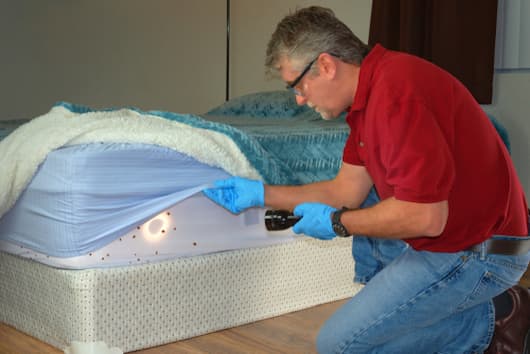
Visual inspection forms the core of the assessment process. Exterminators systematically examine all potential hiding spots, using flashlights and magnifying glasses to detect live bugs, shed skins, eggs, blood stains, and fecal spots. They inspect not just the bed and bedroom furniture, but also adjacent rooms, as bed bugs can travel considerable distances and establish satellite populations.
Many professional exterminators now employ specialized detection tools to enhance their inspection capabilities. These may include bed bug monitors, which use attractants to lure bugs into traps, and even specially trained detection dogs that can identify bed bug pheromones with remarkable accuracy. Some companies use thermal imaging cameras to detect temperature variations that might indicate bug hiding spots.
The inspection process also involves assessing structural factors that might complicate treatment. Exterminators look for cracks in walls, loose wallpaper, gaps around electrical outlets, and other potential harboring sites. They evaluate the level of clutter, which can provide additional hiding spots and complicate treatment efforts.
Documentation is a crucial component of professional inspection. Exterminators typically create detailed reports with photos, diagrams, and written descriptions of infestation levels and locations. This documentation serves multiple purposes: it helps justify treatment recommendations, provides a baseline for measuring treatment success, and can be valuable for insurance claims or legal proceedings.
Professional bed bug exterminators employ a variety of treatment methods, often combining multiple approaches for maximum effectiveness. The selection of specific treatments depends on factors such as infestation severity, client preferences, environmental considerations, and the physical characteristics of the treatment area.
Chemical treatments remain a cornerstone of professional bed bug control. More than 300 pesticide products in seven chemical classes are registered with EPA, meaning EPA has evaluated their safety and effectiveness: pyrethins, pyrethroids, desiccants, biochemicals, pyrroles, neonicotinoids, and insect growth regulators. Professional exterminators have access to these commercial-grade pesticides and the expertise to apply them safely and effectively.
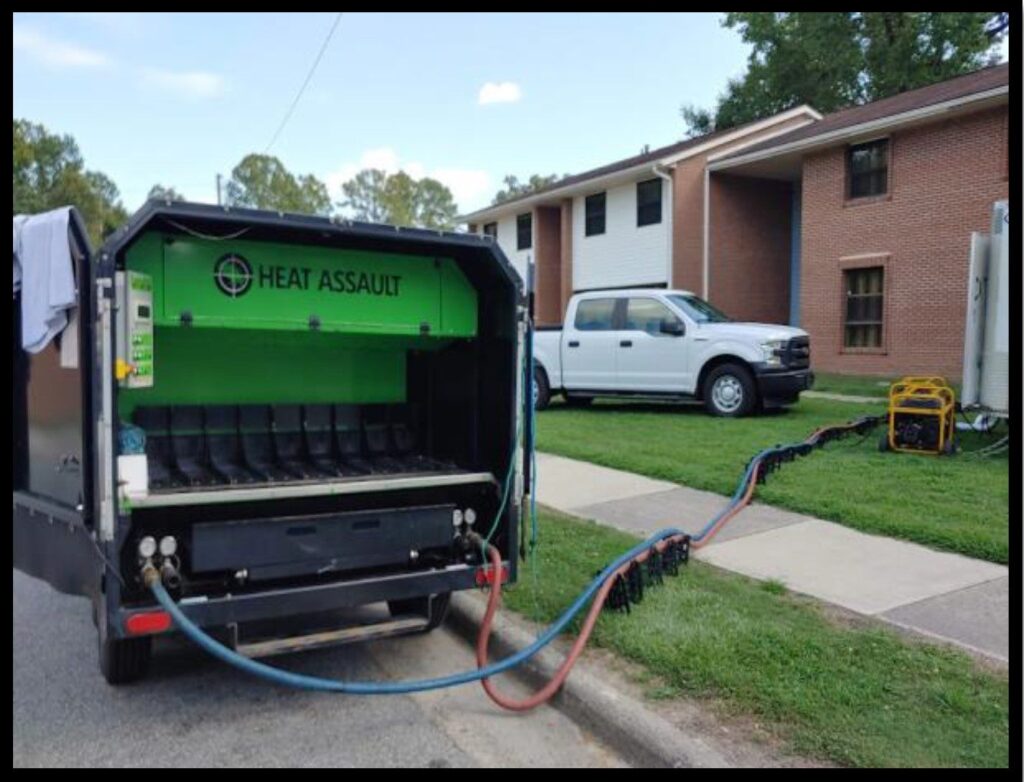
Bed bug heat treatment has gained popularity as an effective non-chemical alternative. This method involves raising the temperature of infested areas to levels lethal to bed bugs (typically 120-140°F) for sustained periods. Professional heat treatment requires specialized equipment, including industrial heaters, fans for air circulation, and monitoring devices to ensure proper temperature distribution.
Cold treatment, while less common, involves exposing bed bugs to freezing temperatures. This method requires professional-grade equipment to achieve and maintain the necessary temperatures for sufficient duration to kill all life stages of bed bugs.
Steam treatment targets bed bugs and eggs in cracks, crevices, and fabric surfaces where other treatments might not penetrate effectively. Professional-grade steamers produce high-temperature steam that kills bed bugs on contact while minimizing moisture damage to treated surfaces.
Fumigation represents the most intensive treatment option, typically reserved for severe infestations or situations where other methods have failed. This process involves sealing the structure and introducing lethal gases that penetrate all areas, ensuring complete elimination of bed bugs regardless of their hiding locations.
Professional exterminators also employ various monitoring and trapping devices as part of their treatment protocols. These tools help detect remaining bugs after treatment, monitor for re-infestation, and provide ongoing surveillance to ensure treatment success.
Successful bed bug extermination requires extensive preparation, both from the exterminator and the client. Professional exterminators understand that proper preparation can significantly impact treatment effectiveness and often spend considerable time educating clients about necessary pre-treatment steps.
Whether hiring a pest management professional or trying to eliminate the bugs yourself, taking these first steps will increase effectiveness and speed: reduce clutter, use encasements on your mattress and box spring, vacuum and heat treat, and seal cracks. Professional exterminators provide detailed preparation instructions tailored to the specific treatment methods being employed.
Clutter reduction is typically the first and most important preparation step. Bed bugs thrive in cluttered environments that provide numerous hiding spots and complicate treatment access. Exterminators instruct clients to remove unnecessary items from treatment areas, properly launder or heat-treat clothing and linens, and organize remaining items to facilitate thorough treatment application.
Professional exterminators also coordinate with clients to ensure pets and family members are safely relocated during treatment. They provide specific timelines for when areas will be accessible after treatment and what precautions should be taken during re-entry.
Equipment preparation is equally important for exterminators themselves. They must ensure all treatment equipment is properly calibrated, maintained, and loaded with appropriate materials. This includes checking pesticide concentrations, testing heat treatment equipment, and preparing monitoring devices.
For chemical treatments, exterminators must calculate appropriate application rates based on the treatment area size, infestation severity, and specific product requirements. They also prepare protective equipment for themselves and ensure adequate ventilation for treatment areas.
Professional exterminators typically conduct final pre-treatment inspections to verify that preparation instructions have been followed and to make any necessary adjustments to treatment plans. This attention to detail helps ensure optimal treatment outcomes and minimizes the need for retreatment.
Effective bed bug extermination doesn't end with the initial treatment. Professional exterminators understand that comprehensive follow-up procedures are essential for ensuring complete elimination and preventing re-infestation. These procedures demonstrate the thoroughness that distinguishes professional treatment from DIY approaches.
Most professional extermination services include multiple follow-up visits as part of their standard treatment protocols. The timing of these visits is strategically planned based on bed bug biology, particularly their egg-hatching cycles. Since some treatment methods may not affect eggs, follow-up visits allow exterminators to address newly hatched bugs before they can establish reproduction.
During follow-up visits, exterminators conduct thorough re-inspections to assess treatment effectiveness. They look for signs of surviving bed bugs, new bite patterns reported by clients, and any evidence of re-infestation from external sources. This ongoing monitoring helps ensure that treatments have achieved their intended results.
Professional exterminators also use follow-up visits to provide additional education to clients about ongoing prevention measures. They review proper monitoring techniques, discuss signs that might indicate returning bed bugs, and provide guidance on maintaining the bed bug-free environment achieved through treatment.
Documentation during follow-up visits is equally important as initial inspection records. Exterminators maintain detailed records of treatment outcomes, client satisfaction, and any adjustments made to treatment protocols. This information helps refine future treatment approaches and provides valuable data for warranty purposes.
Many professional extermination services offer extended warranties that guarantee re-treatment at no additional cost if bed bugs return within a specified period. These warranties typically require clients to follow specific maintenance protocols and allow for periodic monitoring visits by the extermination company.
The decision between DIY bed bug treatment and professional extermination involves weighing various factors including cost, effectiveness, time investment, and risk tolerance. Understanding the advantages and limitations of each approach helps homeowners make informed decisions based on their specific circumstances.
DIY bed bug treatment offers several apparent advantages, particularly cost savings and immediate action capability. Over-the-counter treatments are readily available and can be applied without waiting for professional appointments. For minor infestations caught early, some DIY methods may provide adequate control, especially when combined with thorough cleaning and monitoring protocols.
However, DIY approaches face significant limitations that often lead to treatment failures and prolonged infestations. Consumer-grade pesticides are generally less effective than professional products, and improper application can actually worsen infestations by causing bed bugs to scatter to new locations. Most homeowners lack the expertise to identify all infestation sites and may miss critical areas during treatment.
Professional extermination, while more expensive initially, often proves more cost-effective in the long term. Professional treatments typically achieve higher success rates, include comprehensive warranties, and prevent the extended costs associated with failed DIY attempts. The expertise and specialized equipment that professionals bring to the treatment process significantly increase the likelihood of complete elimination.
If you hire someone to treat your bed bug infestation, make sure they use Integrated Pest Management (IPM) techniques, check credentials, and know they may need multiple visits, to take apart furniture, and to use vacuums, heat, and pesticides. This comprehensive approach is difficult to replicate with DIY methods.
The decision between DIY and professional treatment often depends on infestation severity, client expertise and comfort level with pest control methods, and budget considerations. For extensive infestations, sensitive environments, or situations where previous DIY attempts have failed, professional intervention is typically the most practical solution.
Prevention remains the most effective and economical approach to bed bug control. Professional exterminators emphasize that understanding prevention strategies can save homeowners from the significant costs and stress associated with infestations. These prevention methods are based on understanding bed bug biology and common introduction pathways.
Travel represents one of the primary ways bed bugs enter homes. Professional exterminators recommend thorough inspection of hotel rooms upon arrival, focusing on bed seams, upholstered furniture, and curtains. Luggage should be kept in bathrooms or hard-surface areas away from beds and upholstered furniture. Upon returning home, all clothing should be immediately laundered in hot water or dried on high heat settings.
Second-hand furniture and clothing purchases require careful inspection before introduction into the home. Professional exterminators advise examining all seams, joints, and crevices of used furniture, and avoiding items that show any signs of bed bug activity. Even new furniture from some retailers has occasionally been found to harbor bed bugs, making inspection a prudent practice for all furniture acquisitions.
Regular home monitoring helps detect bed bugs before they establish large populations. Professional exterminators recommend monthly inspection of bed seams, furniture joints, and other potential hiding spots. Early detection significantly simplifies treatment and reduces associated costs.
Structural maintenance plays a crucial role in bed bug prevention. Sealing cracks around baseboards, electrical outlets, and plumbing penetrations eliminates potential hiding spots and travel routes. Regular vacuuming, particularly around beds and upholstered furniture, can help remove any bed bugs before they establish populations.
For apartment dwellers, communication with building management about bed bug issues in neighboring units is essential, as bed bugs can travel through wall voids and shared utilities. Professional exterminators often recommend coordinated treatment of adjacent units to prevent re-infestation from neighboring sources.
Understanding the extermination process helps homeowners prepare appropriately and set realistic expectations for professional bed bug treatment. The process typically spans several weeks and involves multiple phases, each designed to maximize treatment effectiveness while ensuring client safety and satisfaction.
The initial service visit usually begins with a comprehensive consultation and inspection, even if a preliminary assessment has been conducted previously. Professional exterminators use this opportunity to finalize treatment plans, review preparation requirements, and address any client concerns. The inspection process can take several hours, depending on the size of the treatment area and complexity of the infestation.
Treatment application varies significantly based on the chosen methods. Chemical treatments typically involve careful application of pesticides to identified harborage areas, with particular attention to cracks, crevices, and junction points where bed bugs commonly hide. Heat treatments require several hours to bring treatment areas to lethal temperatures and maintain them for sufficient duration to ensure complete mortality.
During treatment, homeowners are typically required to vacate treated areas for specified periods. Professional exterminators provide detailed timelines for when areas will be safe for re-occupancy and what precautions should be taken during re-entry. They also provide guidance on cleaning procedures and when normal activities can resume.
Professional exterminators maintain communication throughout the treatment process, explaining what they're doing and why specific measures are necessary. They document their work with photos and written reports, providing clients with comprehensive records of treatment activities.
Post-treatment monitoring begins immediately and continues through follow-up visits. Professional exterminators educate clients about signs to watch for and provide guidance on reporting any concerns that arise between scheduled visits. This ongoing support helps ensure treatment success and client satisfaction.
The complexity of bed bug biology and behavior makes professional extermination often the most effective approach for achieving complete elimination. While the initial cost may seem significant, the expertise, specialized equipment, and comprehensive approach that professional exterminators provide typically results in faster, more thorough resolution of infestations.
It is most effective to use a combination of chemical (pesticides) and non-chemical approaches, known as Integrated Pest Management (IPM). Plan your response carefully, and know that controlling or eradicating an infestation will take time and patience. Professional exterminators are trained in these IPM approaches and have the experience to implement them effectively.
The decision to hire a professional exterminator should consider factors beyond simple cost comparison. The stress, time investment, and potential health impacts of prolonged infestations often make professional treatment the most practical choice. Additionally, the warranties and ongoing support that professional services provide offer valuable peace of mind during the treatment and recovery process.
For homeowners facing bed bug infestations, consulting with licensed professional exterminators provides access to the most current treatment methods and expertise. These professionals stay informed about evolving bed bug resistance patterns, new treatment technologies, and regulatory changes that affect treatment options.
Prevention remains the most cost-effective approach to bed bug control, and professional exterminators can provide valuable education about preventing future infestations. Their expertise extends beyond treatment to encompass comprehensive pest management strategies that protect homes and families from these persistent pests.
Ultimately, while bed bug infestations can be challenging and stressful, professional extermination services provide the expertise, tools, and ongoing support necessary to achieve complete elimination and prevent future problems. The investment in professional treatment often proves worthwhile when compared to the extended costs and stress associated with prolonged infestations or repeated treatment attempts.